Most homeowners think odor removal is about smell. In reality, it’s about contamination.
When a couch, rug, or mattress smells bad, the odor isn’t floating around in the air by itself. It’s being produced continuously inside the material. That’s why lighting candles, opening windows, or spraying deodorizers never fixes the issue for long. Those methods only deal with the symptom, not the cause.
Professional odor removal works because it focuses on where odors are created, not where they’re noticed.
Odors Are Created Inside Materials, Not on the Surface
Soft surfaces are designed to absorb. Upholstery fabric, cushion foam, padding, and even stitching slowly collect oils, moisture, and microscopic debris through everyday use. Pets, food, sweat, spills, and humidity all contribute to this process.
Once organic material settles inside these layers, bacteria begin to feed on it. Odor is simply the by-product of that bacterial activity. As long as bacteria remain active inside the material, odor will continue to form — even if the surface looks clean.
This is why a couch can smell worse when you sit down. Compressing the cushion pushes air out of the foam, carrying odor molecules with it. The smell didn’t suddenly appear. It was already there.
Why Masking Odors Always Fails
Air fresheners and deodorizing sprays work by overpowering unpleasant smells with stronger scents. Some products also try to temporarily neutralize odor molecules on the surface. Neither approach removes bacteria or organic residue.
Once the fragrance fades, the odor returns. In many cases, it comes back stronger because residue left behind by sprays attracts more dirt and oils, giving bacteria even more fuel.
This is why homeowners often feel stuck in a cycle of spraying, cleaning, and spraying again — without ever solving the real problem.
Professional Odor Removal Starts With Source Identification
Effective odor removal always begins with understanding where the odor lives.
Professionals don’t assume the smell is on the fabric surface. They look for areas where contamination has soaked deeper, such as cushion foam, seams, padding, or underlying layers. In homes with pets, this is often the spot where animals rest most frequently. In other cases, it may be an old spill or moisture that never fully dried.
Treating the wrong layer guarantees the odor will return. Professional odor removal works because it targets the correct depth from the start.
Breaking Down the Cause, Not Just the Smell
Once the source is identified, the next step is to break down the organic material feeding the bacteria. Odor doesn’t disappear simply because something dries or is wiped down. The bacteria must be neutralized and the residue must be broken apart.
Professional cleaning agents are designed specifically for this purpose. They don’t just add scent or clean visually. They interact with oils, proteins, and residue at a molecular level, making it possible to remove them from inside the fabric and padding without damaging the material.
This step is controlled and intentional. Too much moisture can make odor problems worse. Too little won’t reach the source. Professional odor removal balances both.
Extraction Is the Step Most DIY Methods Miss
One of the biggest reasons professional odor removal works is extraction.
DIY cleaning often applies liquid but fails to pull contamination back out. Without extraction, dissolved residue and moisture stay trapped inside cushions and padding. As the material dries, bacteria remain and odor slowly returns.
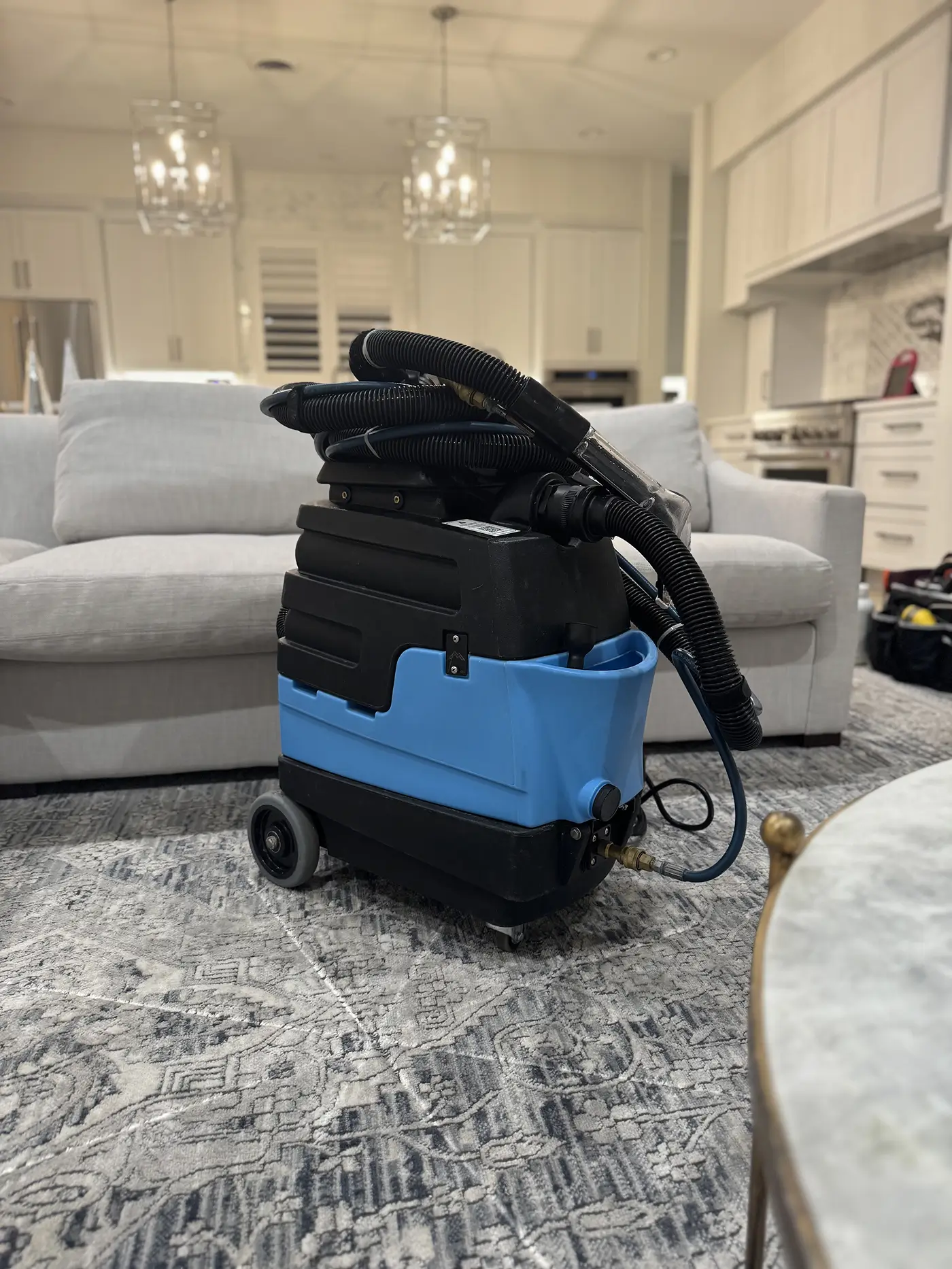
Professional equipment is designed to pull broken-down residue and moisture out of the material completely. This is what actually removes the odor source instead of leaving it behind to reactivate later.
Proper Drying Prevents Odors From Coming Back
Moisture is one of the biggest triggers for recurring odors. If furniture stays damp for too long, bacteria can rebound quickly.
Professional odor removal controls moisture carefully. The goal is deep cleaning without saturation, followed by fast, even drying. This prevents the musty or sour smells that sometimes appear after improper cleaning and ensures the environment inside the cushion isn’t favorable for bacteria to return.
This drying phase is just as important as the cleaning itself.
Why Odors Often Return After “Cleaning”
When odors come back, it usually means one of three things happened. The cleaning didn’t reach the padding or foam where the odor lived. Moisture was left behind without proper extraction. Or residue remained in the fabric and continued feeding bacteria.
Professional odor removal addresses all three issues at once. That’s why it works when repeated DIY attempts don’t.
What Professional Odor Removal Should Leave Behind
A properly treated piece of furniture shouldn’t smell “fresh” or perfumed. It should smell neutral.
The absence of odor is the goal, not replacing one scent with another. When the source is removed, there’s nothing left to cover up.
Final Thoughts
Professional odor removal works because it respects how odors actually form. Smells don’t live on the surface, and they don’t disappear with fragrance. They come from bacteria and organic buildup trapped deep inside materials.
By breaking down those materials, extracting them properly, and controlling moisture throughout the process, professional odor removal eliminates the cause — not just the symptom.
If odors keep coming back, it’s not because you haven’t tried hard enough. It’s because the source hasn’t been fully removed yet.