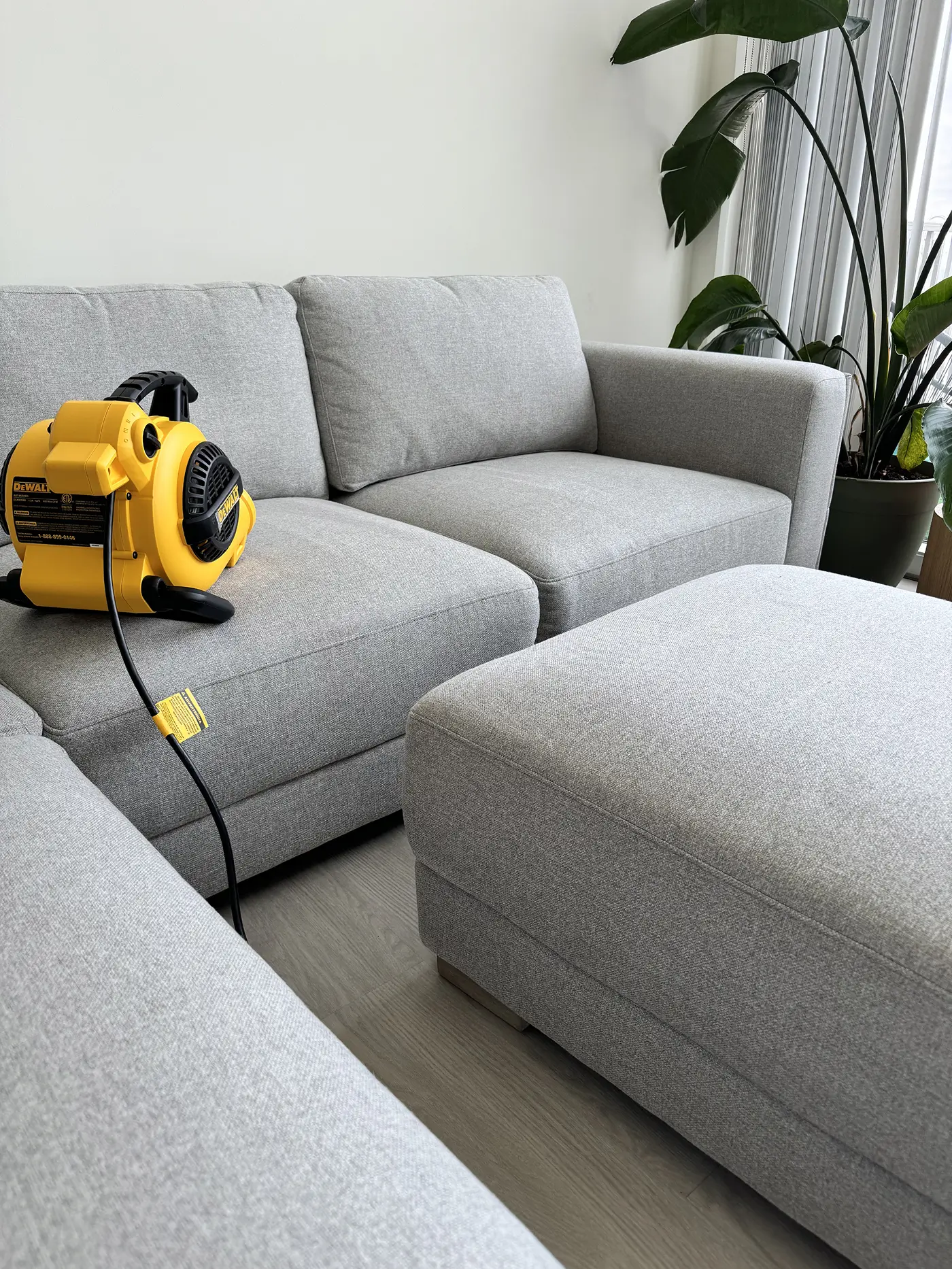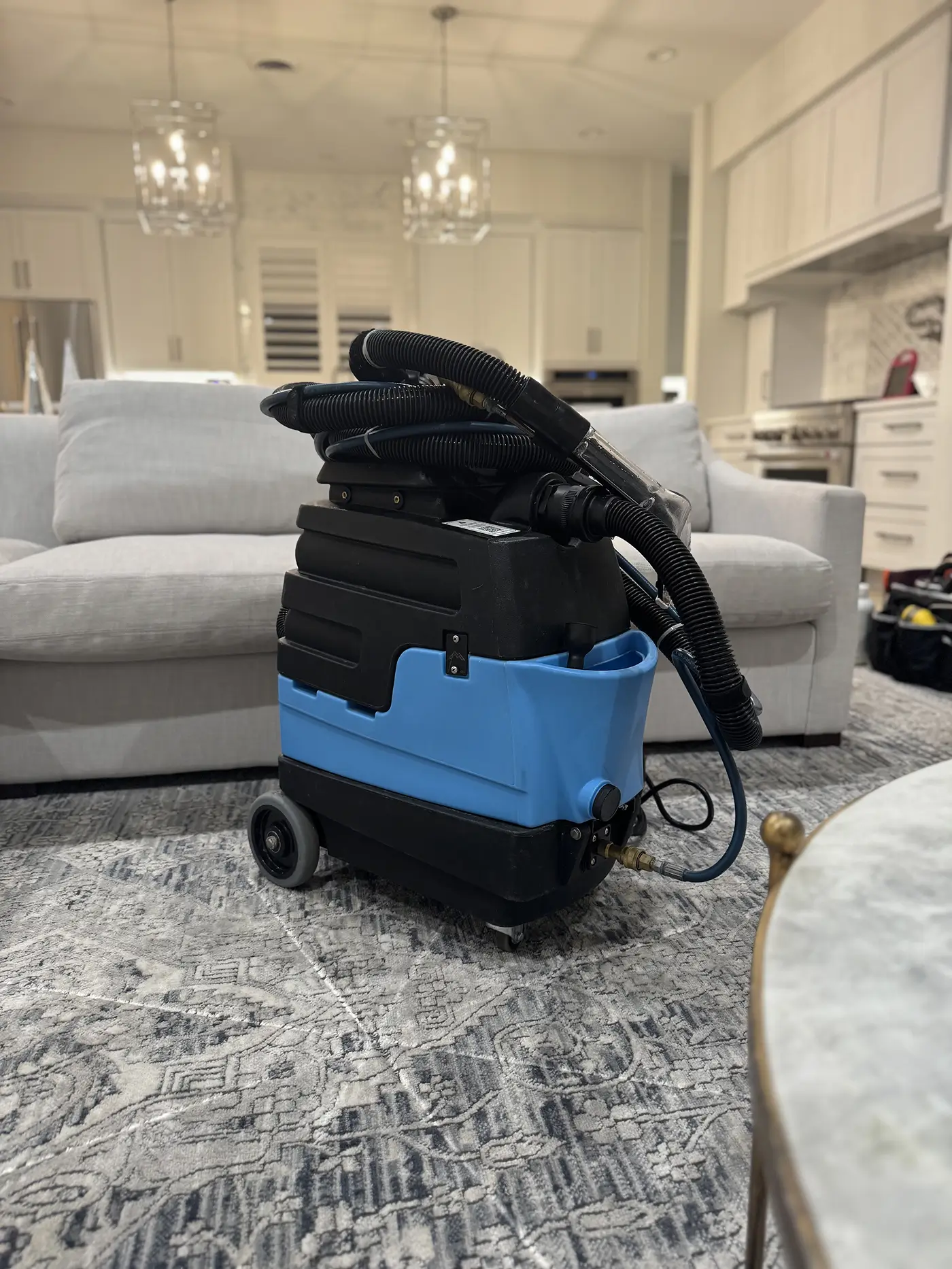
How Professional Odor Removal Works

Most homeowners think odor removal is about smell. In reality, it’s about contamination.

When a couch, rug, or mattress smells bad, the odor isn’t floating around in the air by itself. It’s being produced continuously inside the material. That’s why lighting candles, opening windows, or spraying deodorizers never fixes the issue for long. Those methods only deal with the symptom, not the cause.

Professional odor removal works because it focuses on where odors are created, not where they’re noticed.

Odors Are Created Inside Materials, Not on the Surface

Soft surfaces are designed to absorb. Upholstery fabric, cushion foam, padding, and even stitching slowly collect oils, moisture, and microscopic debris through everyday use. Pets, food, sweat, spills, and humidity all contribute to this process.

Once organic material settles inside these layers, bacteria begin to feed on it. Odor is simply the by-product of that bacterial activity. As long as bacteria remain active inside the material, odor will continue to form — even if the surface looks clean.

This is why a couch can smell worse when you sit down. Compressing the cushion pushes air out of the foam, carrying odor molecules with it. The smell didn’t suddenly appear. It was already there.

Why Masking Odors Always Fails

Air fresheners and deodorizing sprays work by overpowering unpleasant smells with stronger scents. Some products also try to temporarily neutralize odor molecules on the surface. Neither approach removes bacteria or organic residue.

Once the fragrance fades, the odor returns. In many cases, it comes back stronger because residue left behind by sprays attracts more dirt and oils, giving bacteria even more fuel.

This is why homeowners often feel stuck in a cycle of spraying, cleaning, and spraying again — without ever solving the real problem.

Professional Odor Removal Starts With Source Identification

Effective odor removal always begins with understanding where the odor lives.

Professionals don’t assume the smell is on the fabric surface. They look for areas where contamination has soaked deeper, such as cushion foam, seams, padding, or underlying layers. In homes with pets, this is often the spot where animals rest most frequently. In other cases, it may be an old spill or moisture that never fully dried.

Treating the wrong layer guarantees the odor will return. Professional odor removal works because it targets the correct depth from the start.

Breaking Down the Cause, Not Just the Smell

Once the source is identified, the next step is to break down the organic material feeding the bacteria. Odor doesn’t disappear simply because something dries or is wiped down. The bacteria must be neutralized and the residue must be broken apart.

Professional cleaning agents are designed specifically for this purpose. They don’t just add scent or clean visually. They interact with oils, proteins, and residue at a molecular level, making it possible to remove them from inside the fabric and padding without damaging the material.

This step is controlled and intentional. Too much moisture can make odor problems worse. Too little won’t reach the source. Professional odor removal balances both.

Extraction Is the Step Most DIY Methods Miss

One of the biggest reasons professional odor removal works is extraction.

DIY cleaning often applies liquid but fails to pull contamination back out. Without extraction, dissolved residue and moisture stay trapped inside cushions and padding. As the material dries, bacteria remain and odor slowly returns.

Professional equipment is designed to pull broken-down residue and moisture out of the material completely. This is what actually removes the odor source instead of leaving it behind to reactivate later.

Proper Drying Prevents Odors From Coming Back

Moisture is one of the biggest triggers for recurring odors. If furniture stays damp for too long, bacteria can rebound quickly.

Professional odor removal controls moisture carefully. The goal is deep cleaning without saturation, followed by fast, even drying. This prevents the musty or sour smells that sometimes appear after improper cleaning and ensures the environment inside the cushion isn’t favorable for bacteria to return.

This drying phase is just as important as the cleaning itself.

Why Odors Often Return After “Cleaning”

When odors come back, it usually means one of three things happened. The cleaning didn’t reach the padding or foam where the odor lived. Moisture was left behind without proper extraction. Or residue remained in the fabric and continued feeding bacteria.

Professional odor removal addresses all three issues at once. That’s why it works when repeated DIY attempts don’t.

What Professional Odor Removal Should Leave Behind

A properly treated piece of furniture shouldn’t smell “fresh” or perfumed. It should smell neutral.

The absence of odor is the goal, not replacing one scent with another. When the source is removed, there’s nothing left to cover up.

Final Thoughts

Professional odor removal works because it respects how odors actually form. Smells don’t live on the surface, and they don’t disappear with fragrance. They come from bacteria and organic buildup trapped deep inside materials.

By breaking down those materials, extracting them properly, and controlling moisture throughout the process, professional odor removal eliminates the cause — not just the symptom.

If odors keep coming back, it’s not because you haven’t tried hard enough. It’s because the source hasn’t been fully removed yet.
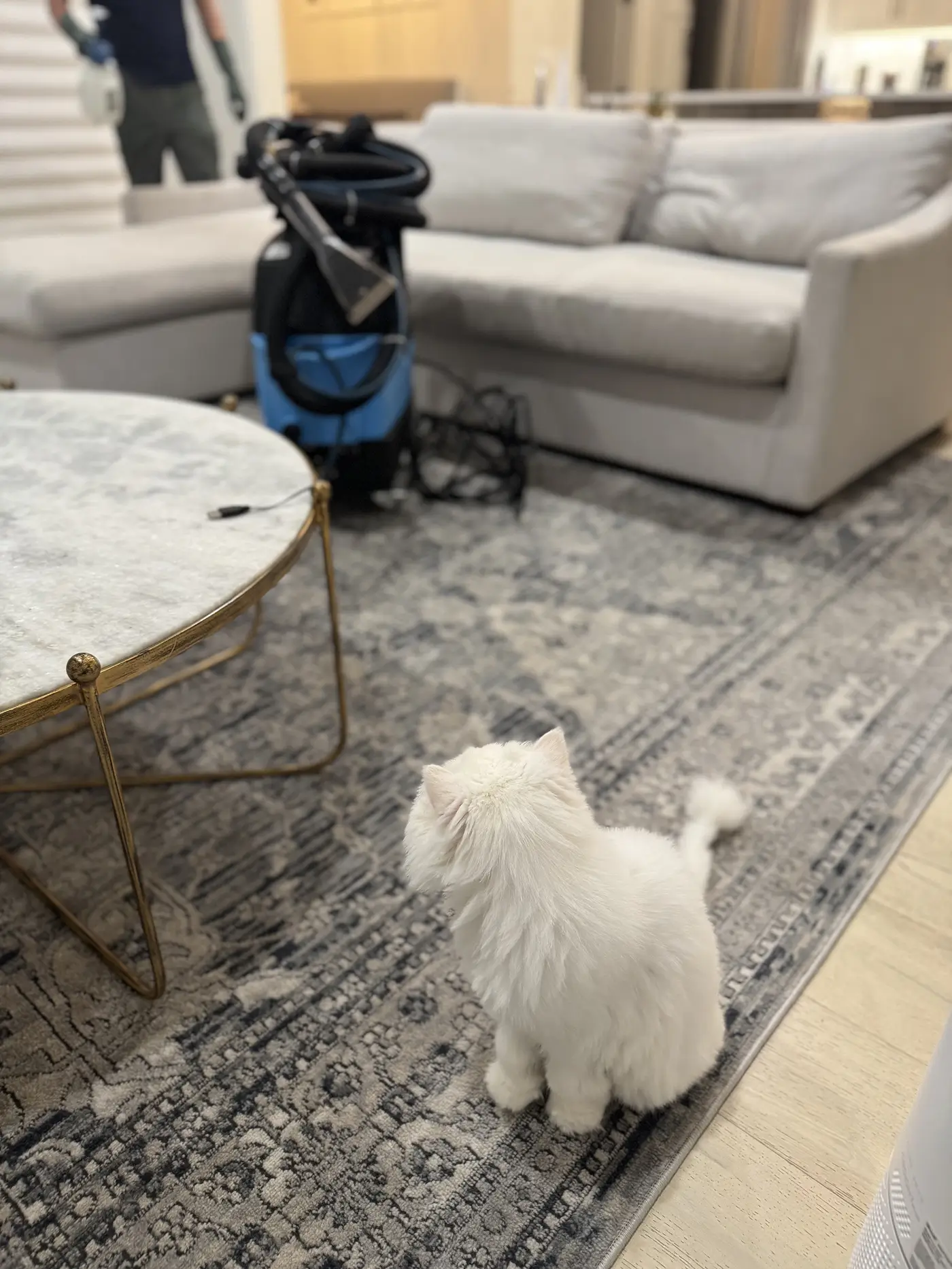
Where Pet Odors Really Come From

If you live with a dog or cat, you already know this story. You can vacuum. You can light a candle. You can open windows for a full afternoon. For a moment, everything feels fine — and then the smell returns. Sometimes it hits you when you walk in the door. Sometimes it shows up on humid days. Sometimes you don’t notice it until a guest does.

The frustrating part is that pet odors often don’t match what you see. Your couch can look clean. Your carpet can look freshly vacuumed. Your home can feel tidy. And still, there’s that “pet smell” hanging in the air.

That’s because most pet odors aren’t surface-level. They come from what sinks into fabric, foam, and padding over time — and then quietly builds into a bigger problem than most people expect.

The Real Source of Pet Odor: Bacteria + Organic Material

When people say “my couch smells like dog,” they usually imagine the smell is coming from fur. In reality, fur is rarely the main cause. The smell comes from bacteria and microscopic buildup — the stuff you can’t see — feeding on organic material left behind by pets.

Pets naturally leave behind skin oils, saliva, dander, and tiny particles from paws and coats. Those materials settle into upholstery fibers and cushion foam. Once they’re there, they don’t just sit harmlessly. They become food for bacteria. And bacteria produce odor as a byproduct.

So the smell you notice isn’t the pet itself. It’s the ecosystem that forms inside soft surfaces after weeks and months of normal life.

Why the Smell “Suddenly” Gets Worse

A lot of homeowners say the same thing: “It wasn’t that bad before, and now it’s noticeable.” That’s not your imagination. Pet odor often reaches a tipping point.

At first, the buildup is light. The couch still smells mostly fine. Then it accumulates — more oils, more dander, more microscopic debris — until one day you catch it. Maybe the heat runs more. Maybe the humidity rises. Maybe you sit down and the cushion compresses, pushing air out of the foam. That’s when the odor becomes obvious.

This is why pet odor can feel inconsistent. It’s not that the smell disappears and returns at random. It’s that conditions change, and those conditions make trapped odor molecules release into the air.

Moisture Is the Odor “Volume Knob”

Humidity plays a huge role in pet odors, especially in places like Charlotte where moisture in the air is common. Moisture doesn’t just “carry” smells — it can reactivate them.

Upholstery and cushion foam act like sponges. When humidity rises, the materials absorb moisture. That added moisture wakes up bacteria, increases microbial activity, and helps odor compounds travel. In simple terms: humidity makes the smell louder.

It’s also why you might notice the couch smells worse after:

  • a rainy week

  • running a humidifier

  • having windows open on a muggy day

  • shampooing carpet without fully drying it

The odor source never left. It just became more active.

The Hidden Problem: Cushion Foam and Padding

Here’s the part most people don’t realize: the fabric you touch is only the outer layer. Under that layer is where odor problems become stubborn.

Cushion foam absorbs oils and moisture slowly, then holds onto them for a long time. If a pet regularly lies on the same spot, that spot becomes a storage unit for body oils, dander, and bacteria.

This is why a couch can smell even after you wipe the surface. You cleaned the “skin” of the couch, but the smell is living in the “organs.” The foam is the reservoir.

And once foam is contaminated, covering it up doesn’t solve it. Air fresheners may mask it for an hour. Fabric sprays may cover it until the product evaporates. But when you sit down and compress the cushion, the trapped air moves — and the odor comes right back out.

Pet Accidents Are Often Bigger Than They Look

Urine is one of the most common odor sources, and it doesn’t have to be a dramatic accident. Even a small amount can sink deep into cushions, carpet padding, or rugs.

When urine gets into fabric and padding, it doesn’t just “dry and disappear.” It breaks down over time. Bacteria feed on it. Ammonia compounds can form. And the smell changes from “wet dog” to something sharper and more persistent.

The worst part is that pet urine is designed to soak in. It travels with gravity, spreads through foam, and settles into the deepest layers. That’s why the surface can look normal while the odor keeps returning.

If you’ve ever thought, “I cleaned it, but it still smells when the room warms up,” that’s exactly what’s happening. The material underneath is still contaminated.

Why Vacuuming Isn’t Enough (Even If You Do It All the Time)

Vacuuming helps with loose hair and crumbs. But pet odor isn’t caused by hair sitting on top of the couch. The odor is in the embedded oils, the dander, and the bacteria below the surface.

Hair also tends to wedge into seams, under cushions, and into the texture of certain fabrics. Even with a strong vacuum, you rarely remove everything. And whatever remains continues to hold onto oils and odor compounds.

Think of vacuuming like sweeping a floor. It makes things look better, but it doesn’t disinfect or remove what’s been absorbed into porous material.

Why “Deodorizing Sprays” Usually Fail

Most deodorizing products work in one of two ways:

  1. they add fragrance to overpower the smell

  2. they use a chemical that temporarily neutralizes odor molecules on the surface

The key phrase is “on the surface.”

If the odor is in the foam, padding, or deeper fibers, surface sprays can’t solve it. Even worse, many sprays leave residue behind. That residue can attract more dirt, which gives bacteria even more to feed on. Over time, this can make the couch feel grimy and smell “stale” faster.

It’s also common for DIY cleaning to involve too much water. When homeowners oversaturate upholstery, the couch may not dry properly. A damp cushion becomes the perfect environment for odor to intensify.

That’s how good intentions turn into a smell that seems impossible to remove.

The Truth: Pet Odor Is a Deep-Cleaning Problem

To truly remove pet odor, you have to remove what’s causing it — not just perfume over it. That typically means breaking down and extracting:

  • embedded oils

  • bacteria

  • urine residue (if present)

  • dander and other organic buildup

When done correctly, deep upholstery cleaning targets the layers where odors live. It’s not only about “steam.” It’s about controlled moisture, proper agitation, and strong extraction so the couch dries fast and doesn’t turn into a damp sponge.

That’s why professional cleaning tends to work when DIY methods don’t. It’s not magic. It’s reach and removal.

How to Know If the Odor Is in Your Couch (Not Just the Room)

A simple test: get close to the couch and smell the area where your pet lies most often. Then press down on the cushion and release. If you notice a stronger odor when you compress the cushion, that’s a sign the smell is inside the foam.

Another clue is repeat odor. If you’ve “cleaned” the couch multiple times but the smell returns after a few days, the source is deeper than the fabric.

Final Thoughts

Pet odors aren’t a sign that you’re doing something wrong. They’re a sign that soft surfaces hold onto life. Couches, rugs, carpets, and cushions quietly absorb oils, moisture, dander, and bacteria — and those things create odor from the inside out.

Once you understand that, the problem becomes clearer. You can’t permanently remove a deep odor with a surface solution. The only lasting fix is getting the source out of the fibers and padding where it lives.

Why Your Couch Needs More Than Spot Cleaning

Most homeowners rely on spot cleaning when something spills on the couch. A little spray, a paper towel, maybe a scrub with a damp cloth — and the stain looks gone. Problem solved, right?

Not exactly.

While spot cleaning has its place, it only treats what you can see on the surface. What’s happening deeper inside your couch is a very different story. Over time, dirt, oils, odors, and allergens build up inside the fabric and cushions, even if the couch looks “clean enough.”

Here’s why spot cleaning alone is never enough.

Spot Cleaning Only Fixes the Surface

Spot cleaning is designed to handle fresh, isolated stains. It can help with a small spill if you act quickly. But it doesn’t remove the dirt that settles deep into upholstery fibers.

Every time someone sits on the couch, natural body oils, sweat, dust, and debris get pressed further into the fabric. Pets and kids speed up this process even more. Spot cleaning doesn’t reach these layers, so the couch slowly becomes dirtier from the inside out.

That’s why many couches look fine at first, then suddenly start looking dull, dark, or worn — even without obvious stains.

Stains Often Spread Instead of Disappearing

One of the biggest problems with DIY spot cleaning is over-wetting the fabric. When too much liquid is used, the stain can spread beyond its original area.

Instead of removing the problem, you end up with:

  • Water rings

  • Larger discolored areas

  • Uneven fabric texture

In many cases, the stain isn’t gone — it’s just been pushed deeper into the cushion, where it slowly resurfaces over time.

Residue Attracts More Dirt

Most store-bought upholstery cleaners leave behind residue. Even if the couch looks clean right after, that residue acts like a magnet for dirt.

As people sit on the couch, dust and oils stick to the leftover cleaner. The result is a couch that gets dirty faster than before. This is why some homeowners feel like their couch never stays clean for long, no matter how often they spot clean.

Professional cleaning removes both dirt and residue, leaving the fabric truly clean instead of sticky.

Odors Don’t Come From the Surface

Couch odors usually come from deep inside the cushions, not the surface fabric.

Pet accidents, food spills, moisture, and everyday use soak into the padding underneath. Spot cleaning might mask the smell for a short time, but it doesn’t remove the source.

That’s why odors often:

  • Come back after a few days

  • Get stronger in humid weather

  • Return as soon as the couch dries

Deep cleaning is the only way to fully remove odor-causing bacteria.

Allergens Build Up Where You Can’t See Them

Couches trap allergens like:

  • Dust mites

  • Pollen

  • Pet dander

Vacuuming and spot cleaning barely touch these particles once they’re embedded in the fabric and cushions. For families with allergies or asthma, this buildup can affect indoor air quality and comfort.

Professional upholstery cleaning uses controlled steam and extraction to remove allergens that household methods simply can’t reach.

Frequent Spot Cleaning Can Damage Fabric

Ironically, too much spot cleaning can shorten the life of your couch.

Repeated scrubbing can:

  • Fray upholstery fibers

  • Fade colors

  • Create worn patches

  • Cause fabric thinning

Different couch materials also require different cleaning methods. Using the wrong product can permanently damage the fabric.

Professional cleaners adjust their process based on the couch material, preventing unnecessary wear.

When Spot Cleaning Makes Sense — And When It Doesn’t

Spot cleaning is useful when:

  • A spill just happened

  • The stain is small

  • You blot gently and don’t oversaturate

It’s not enough when:

  • The couch hasn’t been professionally cleaned in months or years

  • Odors are present

  • The fabric looks dull or dark

  • Allergies or pet issues are involved

Think of spot cleaning as a short-term fix, not a long-term solution.

The Real Solution: Full Upholstery Cleaning

Professional couch cleaning doesn’t just treat visible stains. It cleans the entire couch — fabric, cushions, and padding — removing dirt, bacteria, allergens, and residue in one process.

The result is:

  • Even color and texture

  • No sticky residue

  • Longer-lasting freshness

  • A healthier living space

Most homes benefit from full couch cleaning every 6–12 months, and more often for families with kids or pets.

Final Thoughts

Spot cleaning can help in the moment, but it doesn’t solve the bigger problem. Over time, dirt and contaminants build up deep inside your couch, affecting both its appearance and cleanliness.

If you want your couch to truly look, feel, and smell clean — not just temporarily — it needs more than spot cleaning.

How Often Should You Clean Your Couch?

A Simple Guide for Charlotte Families

Your couch is one of the most used pieces of furniture in your home. It’s where families relax, kids play, pets nap, and guests gather. Over time, dirt, oils, allergens, and stains build up deep inside the fabric — even if the couch still looks clean on the surface.

For homeowners in Charlotte, regular couch cleaning is especially important due to humidity, seasonal pollen, and active family lifestyles. So how often should you really clean your couch?

Here’s a simple, practical guide.


General Recommendation: Every 6–12 Months

For households without pets or young children, a professional couch cleaning once every 6 to 12 months is usually enough.

This routine:

  • Removes embedded dirt and dust

  • Helps prevent fabric wear

  • Keeps your couch looking fresh longer

Weekly vacuuming can help between professional cleanings, but it won’t remove deep-seated grime.


Homes With Kids: Every 3–6 Months

Children are tough on furniture. Spills, snacks, art supplies, and everyday messes add up quickly.

Common issues include:

  • Juice and food stains

  • Marker or pen marks

  • Sticky residue and bacteria

In homes with kids, waiting a full year often leads to stains becoming permanent.

Recommended schedule:
Professional couch cleaning every 3–6 months

This helps protect the fabric and keeps the couch cleaner and safer for daily use.


Homes With Pets: Every 3–4 Months

Pets bring comfort — and also hair, odors, and accidents.

Even if you vacuum regularly, pet hair and smells settle deep into upholstery fibers, especially in Charlotte’s humid climate.

Recommended schedule:
Professional couch cleaning every 3–4 months

This helps control odors, reduce allergens, and keep your home smelling clean.


Allergy or Asthma Concerns: Every 3 Months

Couches trap:

  • Pollen

  • Dust mites

  • Pet dander

If someone in your household has allergies or asthma, your couch can be a hidden trigger.

Recommended schedule:
Professional upholstery deep cleaning every 3 months

Steam cleaning removes allergens that standard household cleaning methods can’t reach.


Special Situations to Clean Your Couch

You may also want to schedule couch cleaning when:

  • Preparing your home before a baby arrives

  • Hosting guests or family events

  • Moving into a new home

  • Moving out or selling your house

In these cases, cleaning isn’t just cosmetic — it’s about hygiene and comfort.


Signs It’s Time to Clean Your Couch

Not sure if you’re overdue? Look for these signs:

  • Visible stains or darkened fabric

  • Lingering odors

  • Increased allergy symptoms indoors

  • Fabric feels stiff, sticky, or rough

  • The couch looks dull even after vacuuming

If you notice any of these, it’s time for professional cleaning.


Why Professional Couch Cleaning Is Worth It

DIY cleaners and store-bought sprays often:

  • Push dirt deeper into the fabric

  • Leave residue that attracts more dirt

  • Damage upholstery fibers

Professional couch cleaning uses proper equipment and fabric-safe solutions to clean deeply without harming your furniture.


Final Thoughts

For most Charlotte families, couch cleaning every 6–12 months is the minimum. Homes with kids, pets, or allergies benefit from more frequent cleanings every 3–6 months.

Regular couch cleaning keeps your home healthier, your furniture lasting longer, and your living space more comfortable for everyone.