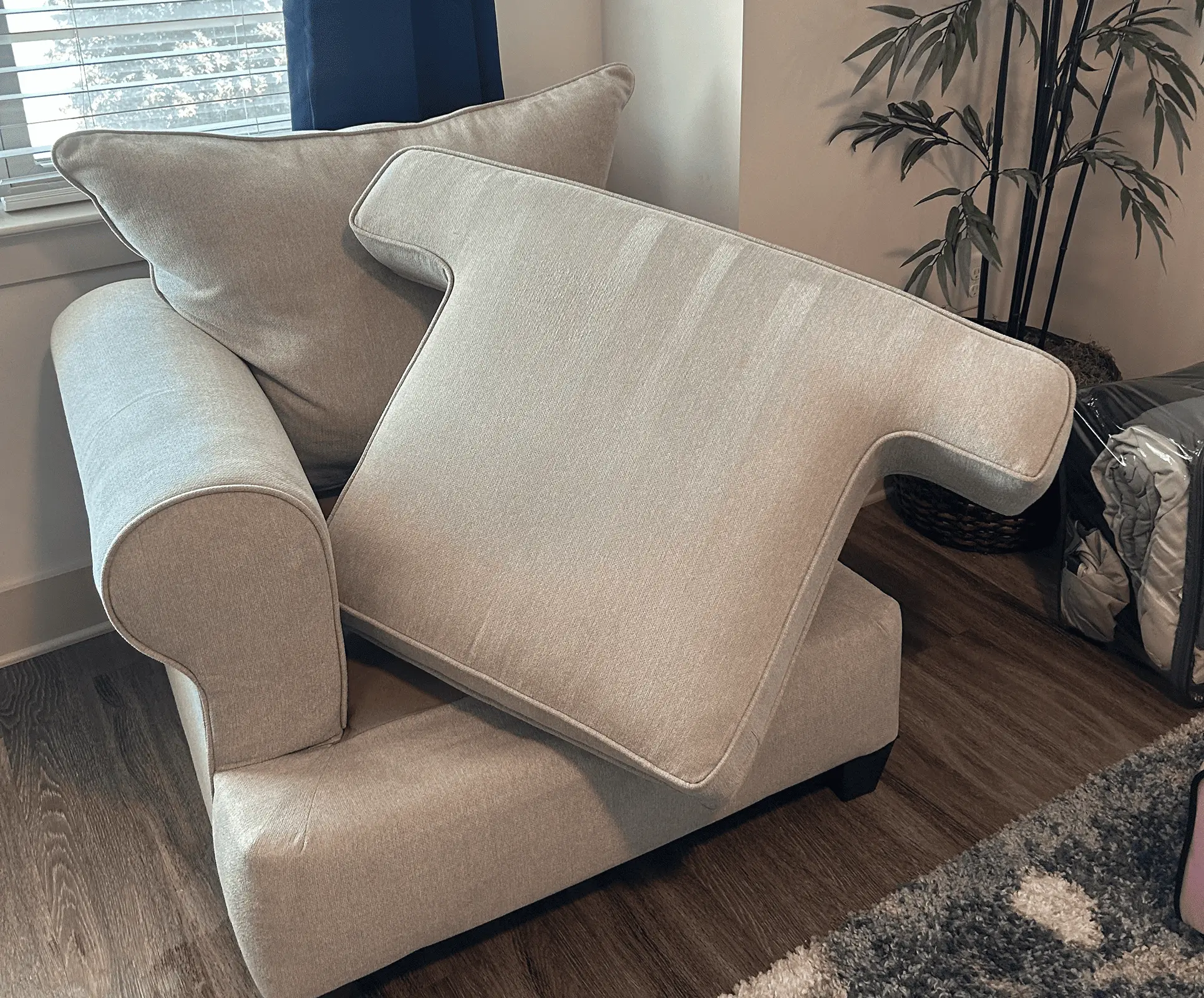
How to Keep Accent Chairs Clean in Busy Living Spaces

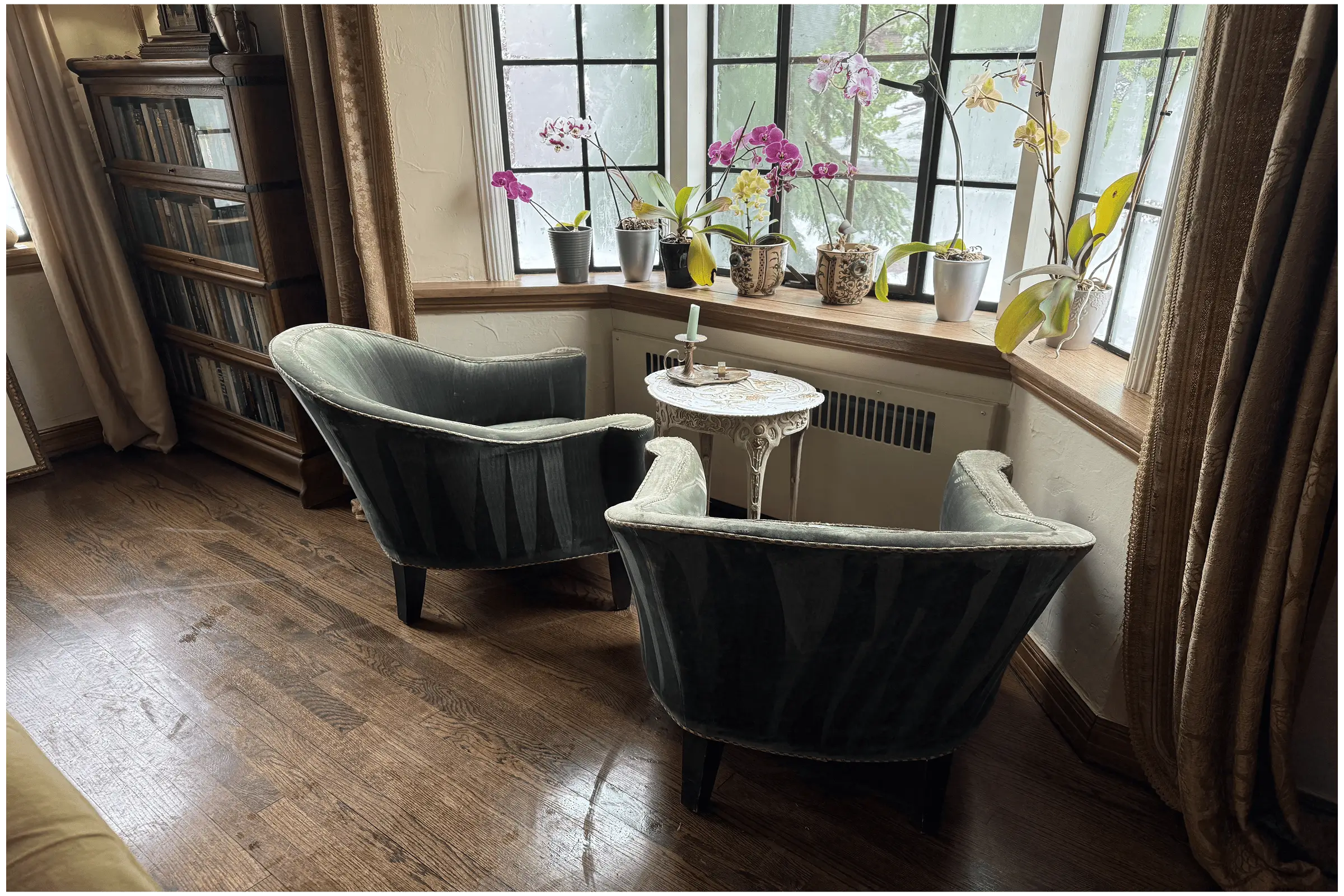
That gorgeous accent chair in your living room? It’s working harder than you think. 🪑

You might not sit in it every day, but between the occasional guest, the kid who plops down while scrolling their phone, and your own evening reads — that chair is quietly collecting everything. Body oils, dust, pet dander, and mystery crumbs are building up in the fabric right now, even if it still looks clean.

As someone who does upholstery cleaning in Charlotte, NC for a living, I can tell you: accent chairs are almost always the most overlooked piece of furniture in a home — and often the dirtiest by the time we get to them.

Let me walk you through what’s really going on and how to keep those beautiful chairs looking their best. 💛


Why Your Accent Chair Collects More Dirt Than You’d Expect

Here’s something most people don’t realize: occasional use doesn’t mean occasional dirt.

Every time someone sits down, the fabric absorbs a tiny amount of body oil and skin cells. Think of it like a sponge — it doesn’t have to be soaked to be dirty. After a few months of “light” use, that buildup is very real. Add indoor dust settling into the fibers, and you’ve got a chair that needs upholstery cleaning even if it sees a fraction of the traffic your sofa does.

Accent chairs often have decorative fabrics — velvet, linen, boucle — that trap particles especially well. These textiles look stunning but act like little magnets for everything floating in your air. 😬


The Hidden Dirt Problem: Repeated But Infrequent Use

Here’s a comparison I use with clients all the time: imagine wearing the same shirt once a week for six months without washing it. You’d only wear it a few hours each time — but would you call it clean?

That’s your accent chair.

The dirt from each use layers on top of the last. Since the chair isn’t used constantly, you might not notice the gradual change in texture or color. But under proper lighting — or when a professional starts the upholstery fabric cleaningprocess — the difference is striking.

We’ve worked on accent chairs in Charlotte, NC homes where the owners were genuinely surprised by the color of the rinse water. The fabric looked fine. It wasn’t. 😅


Spot Cleaning vs. Full Cleaning: Knowing the Difference

Spot cleaning (dabbing at a stain right after it happens) is great — and we absolutely recommend doing it. It prevents stains from setting into the fibers permanently. A clean white cloth, cold water, and gentle blotting can save your fabric in the short term.

But spot cleaning is not the same as upholstery cleaning. It only addresses the surface of one area. It doesn’t remove embedded oils, allergens (like dust mites — tiny creatures that live in fabric and trigger allergies), or the general grime that builds up across the whole chair.

Think of it this way: wiping your kitchen counter handles spills, but it doesn’t replace a deep clean of the whole kitchen. Same idea. ✨

For decorative chairs with delicate or patterned fabric, we recommend being especially cautious with DIY spot treatments — some cleaning products can cause fabric discoloration or water rings that are very difficult to reverse.


Best Maintenance Habits for Your Accent Chairs

Keeping your accent chairs cleaner between professional visits isn’t complicated. Here’s what we tell our clients: 🧹

  • Vacuum weekly using an upholstery attachment — this lifts surface dust before it works its way into the fibers
  • Rotate and fluff cushions regularly so wear is even and airflow is maintained
  • Act fast on spills — blot (never rub!) immediately with a clean, dry cloth
  • Keep pets off decorative chairs if possible — pet dander and oils are especially tough on delicate fabrics
  • Avoid direct sunlight on fabric chairs — UV exposure fades colors over time

These small habits make a big difference. They’re not a replacement for professional furniture fabric cleaning, but they extend the life of your fabric and keep things fresher between deep cleans.


When Accent Chairs Need Professional Upholstery Cleaning

So when should you call in the pros? Here’s our honest answer: at least once a year for most accent chairs in active households — more often if you have kids, pets, or allergy sufferers at home.

But also watch for these signs: 👀

  • The fabric looks dull or “flat” even after vacuuming
  • There’s a faint musty or stale smell
  • Allergy symptoms seem worse when sitting in the chair
  • Stains that didn’t fully come out with spot cleaning
  • The fabric feels slightly sticky or rough to the touch

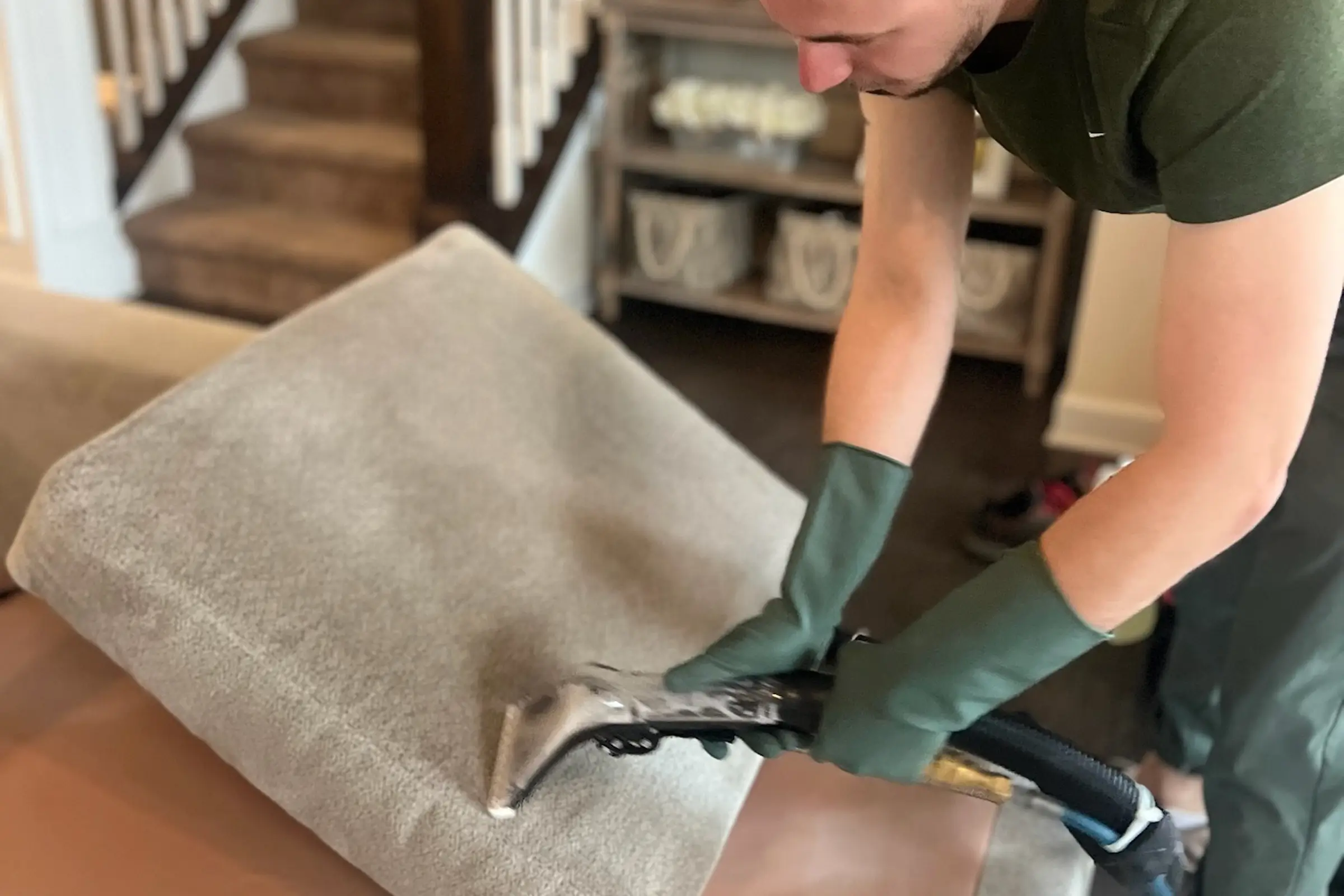
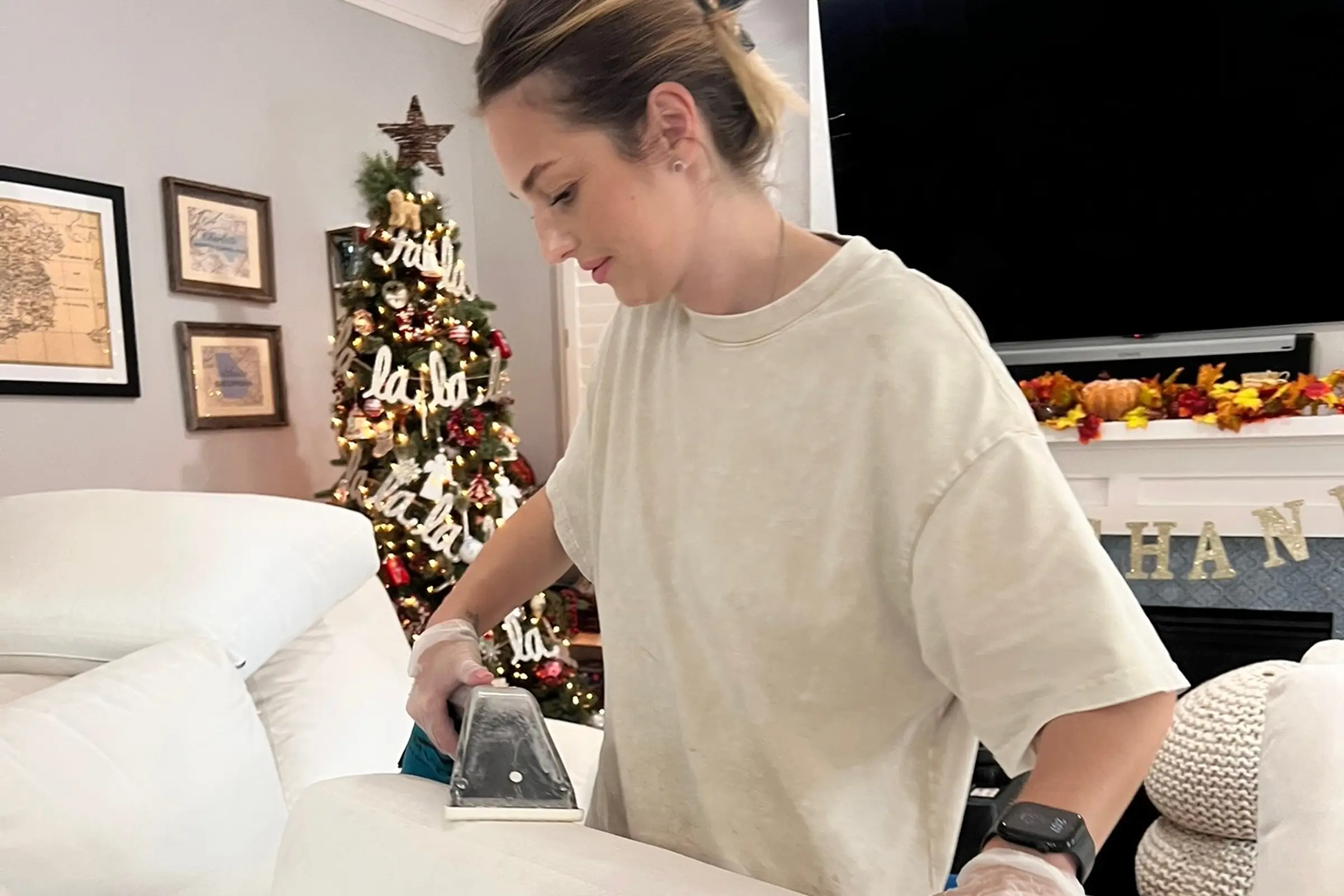
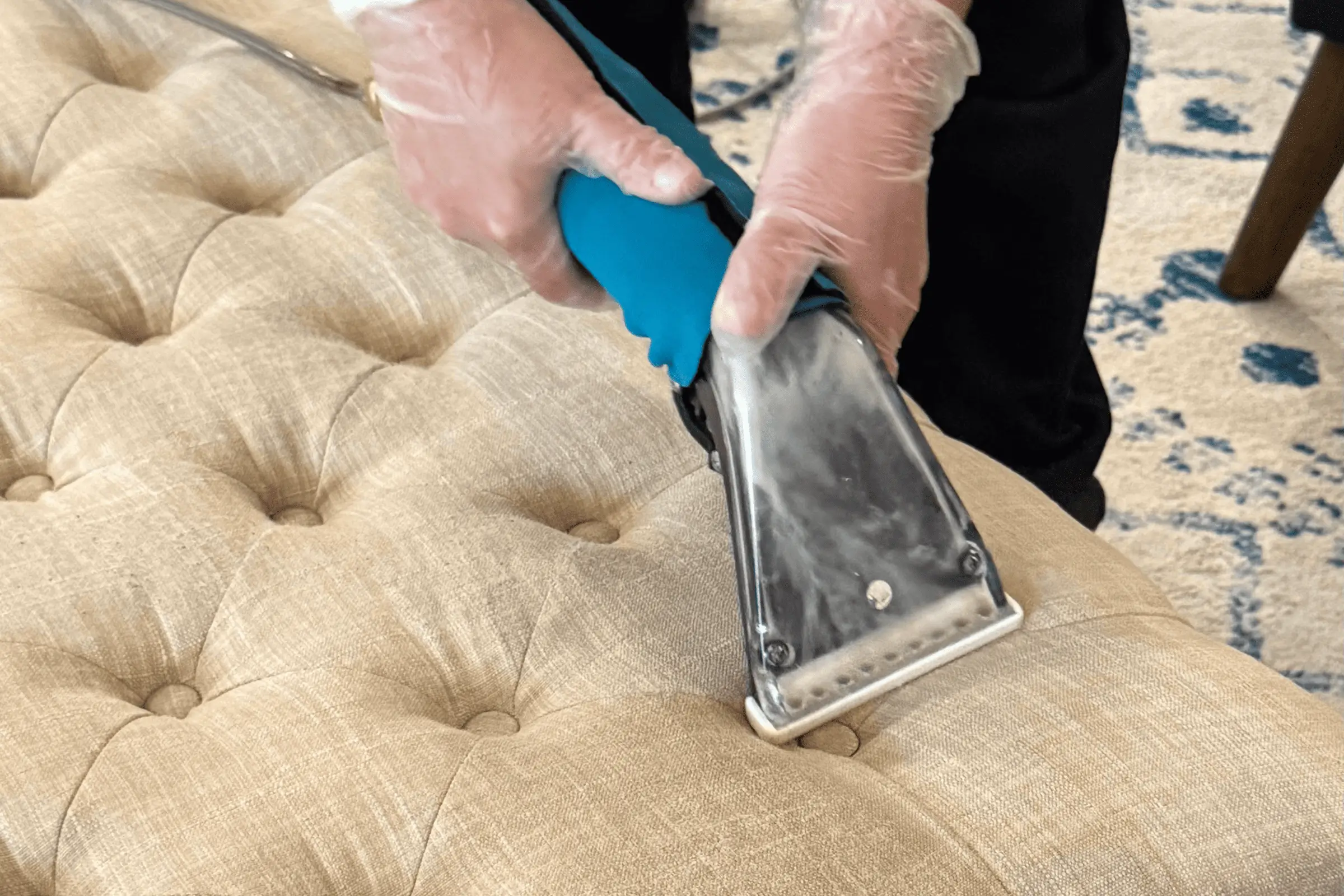
These are signals that surface maintenance isn’t cutting it anymore. Steam upholstery cleaning — which uses hot water extraction to pull dirt, oils, and allergens out of the fibers from the inside — is one of the most effective methods for restoring accent chair fabric without damaging it.

Our technicians recommend professional upholstery cleaning especially for specialty fabrics like velvet or linen, where DIY methods carry real risk of damage.


Conclusion: Beautiful Accent Chairs Stay That Way With the Right Care

Here’s the bottom line: accent chairs quietly accumulate body oils, dust, and embedded grime even with light use. That hidden dirt layers over time in ways spot cleaning simply can’t address. Good maintenance habits — vacuuming, fast spill response, protecting from sunlight — help, but they’re only part of the picture.

The full picture is that professional upholstery cleaning is genuinely complex work. It requires knowing your fabric type, choosing the right cleaning method, using professional-grade equipment, and understanding how to protect delicate textures while still getting a deep, thorough clean. It’s not a job that rewards guessing.

If your accent chairs in Charlotte, NC are due for a real refresh, Charlotte Steamers – Couch Cleaning is here to help. 🌟 Our team brings the expertise, the right tools, and real care to every piece of furniture we clean — so your beautiful chairs stay exactly that: beautiful.

👉 Book your upholstery cleaning service today and give your accent chairs the professional attention they deserve!

What Homebuyers Notice About Upholstery During Showings — And Why It Matters More Than You Think

You’ve painted the walls, deep-cleaned the kitchen, and power-washed the driveway — but have you looked at your couch lately? 🛋️ When buyers walk through your home, they notice a lot more than you might expect — and your upholstery is quietly making a big impression (or a bad one).

As a team that provides professional upholstery cleaning in Dallas, TX, we’ve seen firsthand how much a freshly cleaned sofa or armchair can change the way a home feels during a showing. Let’s walk through exactly what buyers notice — and what you can do about it before your home hits the market.


Why Furniture Condition Sets the Tone for the Whole Home

Think of your furniture the way you’d think of a store display window. If it looks tired and worn, buyers assume the rest of the home has been neglected too — even if that’s not true.

Upholstery fabric cleaning services aren’t just about aesthetics. When a buyer sits down on your sofa (and yes, they do sit), they’re making a mental note about how the whole home has been maintained. A sagging, stained, or dull-looking couch signals wear and age. A clean, fresh-smelling piece of furniture says: this home has been cared for.

In real estate, first impressions stick. Furniture is one of the first things the eye lands on in a living room or bedroom. Don’t let dirty upholstery be the reason a buyer walks away with doubts.


How Odor Influences Perceived Cleanliness 👃

This one surprises a lot of homeowners — but we’ve seen it affect showings repeatedly. Odor is invisible, but buyers feel it immediately.

Fabrics are like sponges. Your sofa, armchair, and cushions absorb pet smells, cooking odors, sweat, and everyday household scents over months and years. Even if your home looks spotless, a musty or stale-smelling couch can make a buyer feel like the home is unclean — even subconsciously.

Fabric sanitizing (the process of eliminating bacteria and odor-causing particles deep within fabric fibers) is one of the most powerful tools in our pre-listing toolkit. Steam upholstery cleaning, for example, uses high-temperature steam to neutralize odor at the source — not just mask it with fragrance.

We recommend scheduling a professional sofa cleaning at least two weeks before your first showing. That gives the fabric time to fully dry and air out, leaving it fresh and neutral for buyers.


Visible Stains That Distract and Disqualify 🚨

A wine stain on the armrest. A mystery mark on the cushion. A ring of discoloration where a cup sat too long. These things may seem minor to you — but to a buyer, they become the focal point of an entire room.

Here’s a comparison that might help: imagine touring a hotel room and noticing a stain on the bedspread. Suddenly, you’re not thinking about how nice the view is or how big the closet is. You’re thinking about that stain.

That’s exactly what happens during a home showing.

Couch stain removal isn’t always a DIY job. Many homeowners try to blot or scrub stains with household products — and end up making them worse, spreading the stain or damaging the fabric. Our technicians use professional-grade solutions matched to the specific fabric type and stain composition. Whether it’s microfiber, velvet, linen, or blended upholstery fabrics, the treatment matters.

If you’re staging a home for sale in Dallas, TX, don’t leave stains to chance. A visible stain during a showing can cost you a negotiation before it even starts.


Upholstery Cleaning as Part of Smart Home Staging

Home staging is the practice of preparing a home for sale by optimizing its visual appeal to attract buyers. Most sellers think staging means rearranging furniture, adding fresh flowers, or buying new throw pillows. And while those things help — clean upholstery underneath is what makes the whole look work.

Here’s what a professional upholstery cleaning service can do as part of your staging prep:

  • Restore color vibrancy — Fabric dulled by dust and grime brightens up significantly after a deep couch cleaning, making the piece look nearly new
  • Remove allergens — Buyers with allergies or sensitivities will notice a difference in air quality, which contributes to a more comfortable showing experience
  • Eliminate pet hair and dander — Even if your pet is well-groomed, embedded fur in fabric is an instant turnoff for many buyers
  • Extend the life of your furniture — If you’re keeping pieces after the sale, shampooing upholstery now means they arrive at your next home in great shape

We recommend treating upholstery cleaning in Dallas, TX as a non-negotiable part of any serious home staging checklist — right alongside carpet cleaning and window washing.


Fresh Upholstery Can Support a Faster Sale ⚡

There’s a reason professional home stagers consistently include furniture fabric cleaning services in their pre-listing workflow: it works.

A home that smells clean and looks polished — right down to the sofa cushions — creates a sense of move-in readiness. Buyers want to picture themselves living there now, not after months of cleaning up someone else’s mess. When your upholstery is fresh and well-maintained, it removes a mental barrier.

Think about it this way: if a buyer sees clean, bright furniture, they’re not thinking “we’ll need to replace that before we move in.” They’re thinking “we can move in this weekend.” That mindset shift is powerful — and it can translate directly into faster offers and fewer concessions during negotiation.

Couch cleaning services in Dallas, TX are an investment in your sale, not an expense. The cost of a professional sofa cleaning is a fraction of what you might lose in a price reduction from a buyer who felt the home needed too much work.


Conclusion: Don’t Let Dirty Upholstery Undermine Your Home Sale

Selling a home involves dozens of moving parts — but upholstery is one that’s easy to overlook and hard to hide. From the moment a buyer walks through your door, your furniture is telling a story. Odors signal neglect. Stains create doubt. Dull, worn fabric says aging home even when everything else looks great.

As we’ve covered, the condition of your sofa, armchair, and other upholstered pieces directly affects how buyers perceive your home’s cleanliness, value, and move-in readiness. Professional upholstery cleaning isn’t just wiping a surface — it involves specialized techniques like steam upholstery cleaning, fabric sanitizing, and targeted stain removal that require the right equipment, the right chemistry, and real hands-on experience. It’s genuinely labor-intensive work, and getting it wrong can damage valuable furniture.

That’s where we come in. 💪 Texas Steamers – Couch Cleaning is your trusted upholstery cleaning company in Dallas, TX, ready to help you put your home’s best face forward before showings begin. Don’t leave your listing to chance — contact Texas Steamers today and let us handle the deep clean so your home makes the right impression from the very first visit.

How to Protect New Upholstered Furniture From Early Wear

You just brought home a beautiful new sofa — and now you’re already nervous about ruining it. 😅 That feeling is completely valid! New furniture is a real investment, and protecting it from day one makes all the difference. As upholstery cleaning experts serving Dallas, TX, we’ve seen what happens when great furniture doesn’t get the care it deserves early on. Let us walk you through exactly what to do — before the damage even starts.


Why New Furniture Still Needs a Care Plan

A lot of people assume that because furniture is brand new, it doesn’t need any attention yet. We get it — it looks perfect right out of the box! But here’s the truth: fabric fibers are most vulnerable when they’re fresh and untreated.

Think of it like a new pair of white sneakers. You wouldn’t wait until they’re visibly dirty to start protecting them, right? The same logic applies to your couch or armchair. Without a care plan, everyday use quietly wears down the fabric — and by the time you notice, the damage is already done.

Whether you have a linen sofa, a velvet settee, or a microfiber sectional, every upholstery fabric cleaning service we provide teaches us the same lesson: early action saves fabric.


Habits That Cause Early Fabric Damage

Here’s something our technicians see all the time — it’s rarely one big spill that ruins upholstery. It’s the small daily habits. 🙈

Watch out for these common culprits:

  • Eating on the couch — crumbs work their way into fibers and attract bacteria and dust mites
  • Sitting in the same spot every time — causes uneven fabric compression and fading
  • Pets jumping on furniture — pet dander, oils, and claws break down fabric faster than almost anything else
  • Direct sunlight exposure — UV rays fade and weaken fabric fibers over time
  • Placing wet items on cushions — even a damp towel left for an hour can start mold growth inside the cushion

None of these feel like a big deal in the moment. But over months? They add up fast. We’ve done couch cleaning in Dallas, TX for years, and we can always tell which sofas had these habits going on.


The Importance of Regular Vacuuming From the Start

Here’s the single easiest thing you can do to protect your furniture: vacuum it regularly. 🧹

Most people vacuum their floors but skip the couch entirely. We recommend vacuuming your upholstered furniture at least once a week — or twice a week if you have kids or pets. Use the soft brush attachment on your vacuum to gently lift dust, crumbs, and pet hair from the surface and between the cushions.

Why does this matter so much? Because dirt and debris act like sandpaper inside the fabric. Every time someone sits down, those tiny particles grind against the fibers. Over time, that’s what causes that worn, dull look — not age, but friction.

Think of regular vacuuming as the daily brushing of your furniture’s teeth. It prevents the buildup that leads to bigger problems later. And when you do call in a professional sofa cleaning service, your furniture responds much better when it hasn’t been neglected.


When to Consider Fabric Protection Options

After your furniture is clean — ideally when it’s brand new — is the perfect time to apply a fabric protector. This is a treatment (think of it like a clear, invisible raincoat for your couch) that creates a barrier against spills and stains.

Our technicians recommend applying fabric protection when:

  • The furniture is brand new and hasn’t absorbed any dirt yet
  • Right after a professional upholstery fabric cleaning service, when fibers are fully clean
  • When you’re introducing pets or young children into the home

Fabric protectors don’t make furniture bulletproof, but they buy you precious time when accidents happen. Instead of a spill immediately soaking in, it beads on the surface — giving you a chance to blot it up before it becomes a stain. This is one of the most underused tools in furniture care, and we always bring it up when clients ask about the best upholstery cleaning approaches for long-term results.


How Early Maintenance Preserves Appearance Longer

Here’s what we love to tell our clients in Dallas, TX: furniture that gets regular attention doesn’t just last longer — it looksbetter longer. ✨

We recommend scheduling a professional upholstery cleaning at least once a year, even if your furniture looks clean. Deep inside the fabric, there’s dust, allergens, skin cells, and oils that no home vacuum can fully remove. Steam upholstery cleaning, for example, reaches deep into fibers to extract what’s hidden — restoring freshness and color you didn’t even realize had faded.

Consistent maintenance also means your fabric cleaning appointments are quicker and less costly. Heavily soiled furniture requires more time, stronger treatments, and sometimes multiple visits. But furniture that’s been cared for from the start? Much easier to restore to that “just bought it” look.

It’s like going to the dentist. If you floss and brush daily, cleanings are quick and easy. Skip the habits, and you’re looking at something much more involved. 😬


Conclusion: Great Furniture Deserves Great Care — Let Texas Steamers Help

Protecting your upholstered furniture starts with understanding that new doesn’t mean maintenance-free. From building smart daily habits — like weekly vacuuming and keeping pets off cushions — to applying fabric protection and scheduling regular professional couch cleaning services, every small step adds up to big results over time.

The truth is, upholstery cleaning is more complex than it looks. Identifying the right fabric type, choosing the correct cleaning method, applying protection treatments safely, and performing steam couch cleaning without damaging delicate fibers — all of this takes real expertise, professional equipment, and years of hands-on experience.

That’s exactly why so many homeowners in Dallas, TX trust Texas Steamers – Couch Cleaning to handle it right. 💛 We’re here to make sure your investment stays beautiful, fresh, and protected for years to come.

👉 Ready to give your furniture the care it deserves? Book your upholstery cleaning service with Texas Steamers today — and let’s keep that couch looking brand new.

Why Upholstery Cleaning Matters After Home Renovation or Remodeling

You just finished a home renovation — the new floors look stunning, the walls are freshly painted, and everything feels brand new. But have you looked closely at your couch lately? 🛋️

Here’s something most homeowners don’t realize until it’s too late: renovation work leaves an invisible mess behind, and your furniture absorbs every bit of it.

Dust From Construction Settles Deep Into Furniture Fibers

When walls get knocked down, floors get sanded, or drywall gets cut, fine construction dust fills the air and floats around for hours — sometimes days. That dust doesn’t just land on surfaces you can wipe. It works its way into upholstery fabric cleaning zones that are nearly impossible to reach with a regular cloth or even a vacuum.

Think of your sofa like a sponge. It sits right there in your living space, quietly collecting everything that drifts through the air. After a renovation, that means drywall particles, sawdust, plaster powder, and more — all embedded in the fibers. This is exactly why professional upholstery cleaning matters so much after a remodel.

Fine Debris That Regular Vacuuming Simply Misses

We get this question a lot: “Can’t I just vacuum my couch and call it done?” We completely understand the logic — but the honest answer is no. 😅

A standard household vacuum is great for surface debris, but it’s not designed for deep fabric cleaning. The ultra-fine particles left behind after construction are much smaller than what your vacuum’s suction can pull out from deep within the cushion fill and woven fibers. It’s a bit like trying to clean a coffee filter with a garden hose — the tool just isn’t built for that job.

Professional upholstery cleaning in Charlotte, NC uses specialized equipment — including hot water extraction (a method where pressurized hot water and cleaning solution are injected into the fabric and then pulled back out along with the dirt) — to reach those deeper layers your vacuum can’t touch.

Odors and Residue Left After Renovation Work

Fresh paint smell. Adhesive fumes. Sawdust. Sealant residue. These aren’t just unpleasant — they can linger in your upholstered furniture for weeks if left untreated. Your sofa, armchairs, and fabric-covered pieces act like odor sponges after renovation work. 😤

Beyond the smell, some renovation residues contain chemicals that can gradually break down fabric fibers over time — shortening the life of your furniture. A proper upholstery cleaning service addresses both the odor and the residue, leaving your fabric fresh and protected. Our technicians recommend scheduling couch cleaning in Charlotte, NC within two to four weeks after your project wraps up, before those odors settle in permanently.

The Best Timing for Post-Renovation Upholstery Cleaning

Timing really does matter here. ⏰

We recommend waiting until all renovation work is fully complete before booking your upholstery cleaning services. Why? Because if workers are still coming in and out, your furniture will just collect more debris after we clean it — and that’s a waste of your time and money.

Once the contractors are done and the final dust has had a day or two to settle, that’s the sweet spot. At that point, a professional furniture cleaning near you can do its job fully and effectively, giving you results that actually last.

Here’s a simple checklist before you schedule:

  • ✅ All construction work is finished
  • ✅ Windows have been opened to air out the space
  • ✅ Hard surfaces (floors, countertops) have already been cleaned
  • ✅ You’ve waited 24–48 hours after the last work day

How Deep Cleaning Restores Indoor Comfort After Renovation

There’s a real difference between a home that looks clean after a renovation and one that feels clean. Deep couch cleaning and sofa cleaning address what you can’t see — and what you definitely can feel, especially if you or anyone in your home has allergies or sensitivities. 🌿

Steam upholstery cleaning, for example, uses high-temperature steam to kill bacteria and dust mites (tiny microscopic bugs that live in fabric and can trigger allergies) that take up residence in your furniture during and after construction. After a proper professional sofa cleaning, the air quality in your home noticeably improves, fabrics feel softer, and that post-construction stuffiness simply disappears.

Furniture cleaning in Charlotte, NC done right doesn’t just clean — it restores your home to the comfortable, welcoming space you worked so hard to create.


Conclusion: Don’t Let Renovation Work Undo Your Fresh Start

Home renovation is a big investment, and you deserve to enjoy every inch of it — including your furniture. 🏡

As we’ve walked through, construction dust embeds itself deep into upholstery fibers where regular vacuuming can’t reach, renovation odors and chemical residues settle into fabric over time, and the right timing for couch deep cleaning makes all the difference in results that actually last. Steam and hot water extraction methods go far beyond surface cleaning, restoring not just the look but the feel and air quality of your home.

The truth is, professional upholstery cleaning is a detailed, labor-intensive process that requires the right equipment, the right technique, and real hands-on experience. It’s not something a quick DIY effort can replicate — and after everything you’ve invested in your renovation, your furniture deserves proper care.

That’s where Charlotte Steamers – Couch Cleaning comes in. Our team of experienced technicians specializes in post-renovation upholstery cleaning in Charlotte, NC, and we’re ready to help you finish your project the right way. 💪

👉 Ready to breathe easy in your refreshed home? Book your upholstery cleaning service today and let Charlotte Steamers handle the rest!

Why White and Light-Colored Upholstery Needs More Frequent Cleaning

You fell in love with that gorgeous cream sofa — and now you’re wondering how to keep it looking that way. 🛋️ If you own white or light-colored furniture, you already know the struggle: it shows everything. But here’s what most people don’t realize — light upholstery doesn’t just look dirty faster, it actually becomes more damaged faster without regular care. Let’s break down exactly why, and what you can do about it.

Why Soil Becomes Visible Faster on Light Fabric

Think about wearing a white t-shirt versus a navy one on a hot day. Every splash, every brush against something dusty — it shows on white immediately. Your sofa works exactly the same way.

Light-colored upholstery fabric has low color contrast, meaning even the tiniest particle of dust, skin oil, or pet dander stands out clearly. Dark fabrics hide surface soiling — light ones reveal it. This isn’t just a cosmetic issue.

Here’s the part that matters: the longer soil sits in fabric fibers, the deeper it bonds. What starts as a surface-level dust layer can work its way into the weave and become a permanent discoloration. That’s why professional upholstery cleaning on light furniture isn’t optional — it’s essential maintenance, just like changing the oil in your car before it damages the engine.

Common Sources of Discoloration on Light-Colored Sofas

You might be surprised how many everyday things are quietly staining your couch. Here’s what we see most often when doing upholstery cleaning in Dallas, TX:

  • Body oils and sweat — Every time someone sits down, natural skin oils transfer to the fabric. Over months, this creates yellowish patches — especially on armrests and headrests.
  • Food and drink spills — Coffee, juice, wine. Even water can leave a ring on certain delicate fabrics.
  • Pet dander and fur — Pets bring oils from their coat into the fabric, and those oils attract dirt like a magnet.
  • Dust and air pollutants — Especially relevant in Dallas, TX, where dust levels can be significant. Airborne particles settle into fibers continuously.
  • Sunlight exposure — UV rays cause a process called photooxidation (basically, the fabric reacts to light and slowly discolors). Light fabrics show this yellowing much faster than dark ones.

Preventing Permanent Staining on Pale Upholstery

The golden rule? Act fast, and don’t rub.

When a spill happens, blot it gently with a clean white cloth — rubbing spreads the stain and pushes it deeper into the fibers. Think of it like pressing a sponge, not scrubbing a pan.

We also recommend applying a fabric protector after every professional sofa cleaning service. Think of it as an invisible shield — it doesn’t make your couch stain-proof, but it gives you extra time to catch spills before they set. Products like Scotchgard work by creating a barrier between the liquid and the fiber.

Slipcovers and armrest covers are another practical tool, especially for households with kids or pets. They’re washable, replaceable, and your sofa stays protected underneath.

One thing we strongly advise against: using generic household cleaners or bleach on upholstery fabric. These can strip the fabric’s finish, cause color bleeding, or even weaken the fibers — turning a small stain into a big permanent problem.

Safe Cleaning Methods for Delicate Shades

Not all upholstery fabric cleaning services are created equal — and for light-colored furniture, the method matters a lot.

Steam upholstery cleaning (also called hot water extraction) is one of the safest and most effective approaches for pale fabrics. Here’s how it works: hot water is injected deep into the fibers at high pressure, loosening embedded dirt, oils, and allergens — then it’s immediately extracted along with all that grime. No harsh chemicals, no residue left behind that could attract more dirt.

We always recommend checking the care tag on your furniture before any cleaning attempt. Look for these codes:

  • W — Water-based cleaning is safe
  • S — Solvent-based cleaner only (no water!)
  • WS — Either method is fine
  • X — Vacuum only; no liquid cleaning at all

Using the wrong method on an “S” or “X” coded fabric can cause irreversible shrinkage or watermarks. This is exactly why our technicians always check the manufacturer’s code before starting any couch cleaning in Dallas, TX.

Ideal Maintenance Routine for Light-Colored Furniture

Here’s a simple routine we recommend to keep your light sofa looking its best: ✨

  • Weekly: Vacuum with a soft brush attachment to remove surface dust and pet hair
  • Monthly: Lightly wipe down non-fabric parts (legs, trim) and spot-check for new stains
  • Every 6–12 months: Schedule a professional couch cleaning service — more frequently if you have pets, kids, or the sofa gets heavy daily use

For households in Dallas, TX where dust and humidity fluctuate seasonally, we lean toward the 6-month schedule for light furniture. Seasonal changes can affect how quickly soil builds up and how fabrics respond to moisture.

Conclusion: Light Upholstery Deserves Expert Care 🌟

As you can see, keeping white and light-colored furniture truly clean goes far beyond a quick wipe-down. Soil bonds faster into light fibers, everyday sources of discoloration are everywhere — from body oils to UV exposure — and the wrong cleaning method can cause permanent damage. Prevention, quick response to spills, and the right cleaning technique all work together to protect your investment.

The truth is, upholstery cleaning is a skilled process. Between reading care codes, choosing the right method, applying the correct pressure, and using professional-grade equipment — it takes real expertise to do it right without risking damage to delicate fabrics.

That’s exactly what we’re here for. 💛 Texas Steamers – Couch Cleaning proudly serves homeowners across Dallas, TX with professional, fabric-safe upholstery cleaning services designed to keep your light-colored furniture bright, fresh, and beautiful — without the stress of doing it yourself. Ready to fall in love with your couch again? Book your cleaning today at Texas Steamers!

Why Your Couch Smells Like Last Night’s Dinner (And What to Do About It)

Ever walked into your living room and caught a whiff of last night’s stir-fry — coming straight from your sofa? 🍳 You’re not imagining it. Cooking odors have a sneaky way of traveling from the kitchen and settling deep into your upholstered furniture. As someone who does upholstery cleaning in Charlotte, NC every single day, I can tell you — this is one of the most common complaints we hear from homeowners. Let’s break down exactly why it happens and what you can do about it.


Why Soft Surfaces Absorb Kitchen Smells So Easily

Hard surfaces like countertops or tile floors? Smells bounce right off them. But upholstery fabric — the soft, woven material covering your couch, armchairs, and cushions — works more like a sponge.

Here’s a simple way to think about it: imagine your sofa fabric as thousands of tiny loops and fibers, all tangled together. When cooking vapors float through the air, those microscopic grease and odor particles get trapped inside those loops. Over time, layer after layer builds up — and that’s when your couch starts holding onto smells you’d rather forget.

Fabrics like microfiber, chenille, and velvet are especially absorbent. Even your cushion foam underneath can soak up odor molecules that pass through the fabric. That’s why a quick spray of air freshener barely scratches the surface — it masks the smell for an hour but does nothing for what’s already embedded inside. Professional upholstery cleaningreaches those deeper layers that surface treatments simply can’t touch.


Open-Plan Homes: Beautiful Design, Sneaky Odor Problem

Open-concept floor plans — where the kitchen, dining, and living room all flow into one shared space — are incredibly popular right now, and for good reason. They feel bright, social, and modern. But here’s the trade-off nobody talks about: there are no walls to stop cooking smells from drifting straight onto your furniture. 🏡

In a traditional home with a separate kitchen, odors stay mostly contained. In an open-plan layout, the moment you start sautéing onions or frying bacon, that aromatic cloud travels freely and lands on every soft surface in the room — your sofa, your throw pillows, your curtains, even your area rug.

We see this constantly with clients in Charlotte, NC. They’ll say, “I keep my house clean, but something always smells off.” Nine times out of ten, it’s the furniture absorbing years of everyday cooking. Furniture fabric cleaning is often the missing piece of their cleaning routine.


The Food Odors That Stick Around the Longest

Not all cooking smells are equal when it comes to stubbornness. Here are the worst offenders we deal with during couch cleaning in Charlotte, NC:

  • Fried foods — Frying releases oily aerosols (tiny floating grease droplets) that bond strongly to fabric fibers
  • Fish and seafood — Contain compounds that break down into particularly pungent, long-lasting molecules
  • Garlic and onion — The sulfur compounds in these ingredients cling to porous materials for weeks
  • Curry and spices — Rich, oil-based spices penetrate deep and are notoriously difficult to neutralize
  • Bacon and smoked meats — The smoke and fat combination is almost tailor-made to embed itself in soft furnishings

If any of these are regulars in your kitchen, your sofa is likely holding onto their memory long after the plates are cleared. 😅


Simple Habits That Help Reduce Odor Buildup

You don’t have to choose between cooking your favorite meals and having a fresh-smelling living room. A few small habits go a long way:

Ventilate while you cook. Run your range hood fan on high and open a window when possible. This pulls cooking vapors up and out before they spread.

Use your HVAC fan setting. Switching your thermostat fan from “auto” to “on” while cooking keeps air circulating and reduces how much settles on surfaces.

Vacuum your upholstery weekly. A good vacuum with an upholstery attachment pulls out loose odor particles before they bond permanently. We recommend doing this as part of your regular cleaning routine — think of it like brushing your teeth for your couch. 🛋️

Baking soda trick. Lightly sprinkle baking soda on dry cushions, let it sit for 15–20 minutes, then vacuum it off. It naturally absorbs mild odors. This works well for light, recent smells — but won’t fix deep, long-term buildup.

Wash removable covers. If your cushion covers zip off, launder them every 4–6 weeks. Always check the care label first — some fabrics require cold water or air drying to avoid shrinking.


How Professional Cleaning Actually Removes Trapped Cooking Smells

Here’s where things get really interesting. 🔬 When we perform professional sofa cleaning, we’re not just cleaning the surface — we’re treating the entire depth of the fabric system.

Steam upholstery cleaning (also called hot water extraction) is one of our most effective methods for odor removal. It works by injecting hot water and a cleaning solution deep into the fabric fibers, then immediately extracting it back out — pulling trapped odor particles, grease residue, and bacteria along with it. The heat also helps break down odor-causing compounds at a molecular level.

For particularly stubborn smells — like years of accumulated cooking odors — we may use enzyme-based treatments. Enzymes are natural biological agents that literally digest organic odor molecules, eliminating the smell rather than covering it up.

This is why a couch deep cleaning from a professional upholstery cleaning service produces results that no home remedy can replicate. The equipment alone — professional-grade extraction machines — creates suction levels that consumer vacuums can’t match.


Conclusion: Your Couch Deserves a Real Fresh Start 🌟

Cooking odors settle into upholstered furniture for a clear reason: soft fabrics are highly absorbent, open-plan homes remove the barriers that once contained kitchen smells, and the most stubborn food odors — fried foods, fish, garlic, curry — contain compounds that bond deeply with fibers over time. Prevention habits like ventilating while you cook, vacuuming regularly, and washing removable covers will slow the buildup. But once those odors are truly embedded, surface treatments simply won’t cut it.

Upholstery cleaning is genuinely more complex than it looks. It requires the right equipment, the right cleaning agents for each fabric type, and the skill to treat odors at their source — not just mask them. Done wrong, it can damage your fabric, leave moisture trapped inside cushions, or spread the problem further.

That’s exactly why we’re here. Charlotte Steamers – Couch Cleaning specializes in professional upholstery cleaning in Charlotte, NC, and we’d love to help your furniture smell — and feel — brand new again. 💛 Book your professional couch cleaning today and let’s give your living room the fresh start it deserves!

The Most Overlooked Upholstered Furniture in Your Home (And Why It’s Quietly Ruining Your Room’s Look)

You vacuum the sofa. Maybe you even schedule a professional couch cleaning once in a while. But when was the last time you looked — really looked — at your dining chairs? Your bedroom bench? That gorgeous accent chair in the corner? 🪑

These pieces are easy to forget. But trust me — as someone who does upholstery cleaning in Charlotte, NC every single day, the furniture nobody thinks about is often the dirtiest in the house.

The Forgotten Pieces: What’s Actually Being Ignored

Most people think upholstery cleaning means the sofa and nothing else. But your home is full of upholstered surfaces that deserve just as much attention.

Here’s what we find neglected most often:

Dining chairs — People sit on these multiple times a day, every day. Food particles, body oils, and spilled drinks soak right into the fabric. Yet they almost never get professional upholstery cleaning services. Think of your dining chair fabric like a kitchen sponge — it absorbs everything, but nobody squeezes it out.

Upholstered benches — Whether it’s at the foot of your bed or tucked into a mudroom, benches collect dust, pet hair, and skin oils silently and steadily.

Headboards — This one surprises a lot of clients! A fabric headboard sits inches from your face every night. Skin oils, hair products, and dead skin cells (yes, really 😬) build up in the fabric over time. Steam upholstery cleaning on a headboard can feel like a total room refresh.

Accent chairs — That beautiful chair you specifically bought to make the room feel curated? It’s probably pulling the whole look down without you realizing it. Dust and body oils dull the fabric color over time.

Why These Pieces Collect So Much Hidden Grime

Here’s something our technicians see constantly: the less you think about a piece of furniture, the dirtier it usually is.

It’s not just about visible stains. Upholstery fabric cleaning matters because of what you can’t see:

  • Body oils transfer from skin to fabric every single time someone sits or leans. Over months, these oils oxidize — meaning they chemically bond to the fibers and make the fabric look darker and flat.
  • Dust and allergens settle deep into fabric fibers, especially in pieces near windows or air vents.
  • Humidity and everyday use create the perfect environment for bacteria and odor to build up quietly.

Professional upholstery cleaning — especially furniture fabric cleaning with hot water extraction or shampooing upholstery methods — removes what regular vacuuming simply can’t reach.

Signs These Items Are Overdue for a Clean 🔍

You don’t always need a visible stain to know a piece needs upholstery cleaning services. Watch for these signs:

  • The fabric looks dull, flat, or slightly darker than it used to — especially on armrests and seat cushions
  • There’s a faint musty or stale smell when you sit down
  • The texture feels slightly stiff or tacky to the touch
  • Guests seem to avoid sitting in a particular chair (they notice before you do!)
  • You find yourself covering it with a throw blanket to hide how it looks

If any of these sound familiar, it’s time to think about professional furniture cleaning near you.

How Neglect Affects the Look of Your Whole Room

Here’s a truth most people don’t expect: one dirty piece of furniture can make an entire room feel tired.

Interior designers talk about something called visual harmony — the idea that every element in a room either lifts the space or drags it down. A grimy accent chair, a dingy dining chair, a stained headboard — these pull your eye in the wrong direction.

We’ve walked into rooms in Charlotte, NC where the sofa was beautifully maintained but the dining chairs were so saturated with oils and grime that the whole dining area looked neglected. One round of upholstery clean on those chairs and the room looked like a different home. ✨

Furniture fabric cleaning isn’t just about hygiene. It’s about protecting the investment you made in your home’s look and feel.

Why Whole-Home Upholstery Care Actually Makes Sense

Here’s how we like to explain it: upholstery cleaning is like dental care. You don’t just clean one tooth. You take care of everything — because neglecting even one area creates problems for the rest.

When we provide upholstery cleaning services in Charlotte, NC, we always encourage clients to do a full walkthrough of their home and identify every upholstered surface — not just the obvious ones. Dining chairs, accent chairs, headboards, benches, ottomans — all of it.

A few reasons whole-home upholstery care is worth it:

  • Consistent care extends the lifespan of all your furniture, not just the expensive pieces
  • It ensures your home smells fresh throughout, not just in the living room
  • It protects your indoor air quality — upholstery traps allergens, and a full clean removes them from your environment
  • It keeps your home looking intentional and well-maintained, which matters whether you’re hosting guests or just enjoying your own space 🏡

Our technicians recommend scheduling chair cleaning, couch cleaning, and fabric cleaning across your whole home at least once a year — more often if you have kids, pets, or allergies.

Conclusion: Clean Everything, Not Just the Obvious Pieces

Here’s the bottom line: upholstery cleaning in Charlotte, NC is not a one-piece job. Your dining chairs are absorbing oils from every meal. Your headboard is collecting everything from your nightly routine. Your accent chair is slowly losing its color and texture while you’re focused on the sofa.

The signs are there — dull fabric, faint odors, stiff textures — and they’re easier to miss than you think. When neglected pieces go untreated, they quietly drag down the look of an otherwise beautiful room. And restoring them isn’t just a surface wipe — it takes the right equipment, the right solutions, and real hands-on expertise to do it properly.

Upholstery fabric cleaning is genuinely complex work. Every fabric type reacts differently. Every stain has its own chemistry. Every piece of furniture requires a different approach. This isn’t something a rental machine and an afternoon can fix — and trying often makes things worse.

That’s exactly why Charlotte Steamers – Couch Cleaning is here. Our team brings the skills, the professional-grade equipment, and the experience to clean every upholstered surface in your home — the obvious ones and the forgotten ones. 💪

Ready to give your whole home the refresh it deserves? Book your upholstery cleaning service today and let us take care of everything — from your sofa to your dining chairs to that accent chair you’ve been covering with a blanket. You’ll be amazed at the difference

Synthetic vs. Natural Upholstery Fabrics: Why Cleaning Methods Matter

Have you ever tried cleaning your couch the same way you clean everything else — and ended up with a watermark, a shrunk cushion, or a color that faded overnight? You’re not alone. 😟 This is one of the most common things we see when homeowners in Dallas, TX attempt upholstery cleaning without knowing what fabric they’re working with. The truth is, your fabric type changes everything.

Let me walk you through what we’ve learned doing professional upholstery cleaning in Dallas, TX day in and day out — so you can understand what’s actually happening to your furniture when it gets cleaned.


What Are Synthetic Upholstery Fabrics?

Synthetic fabrics are man-made fibers produced from chemical compounds. Think of them as the “engineered” side of furniture fabrics — designed to be durable and affordable.

The most common synthetic upholstery materials include:

  • Polyester – Found in many modern sofas and sectionals. It resists wrinkles and holds its shape well.
  • Microfiber – A super-fine polyester weave that feels soft and is very popular in family homes.
  • Nylon – Extremely durable and often used in commercial upholstery cleaning settings.
  • Olefin (Polypropylene) – Commonly used in outdoor furniture and office chairs.
  • Acrylic – Often blended with natural fibers to add durability.

Synthetic fabrics are generally more forgiving. They tend to handle moisture better, dry faster, and are less likely to shrink. But that doesn’t mean anything goes — harsh chemicals can still break down the fibers or leave residue behind. ⚠️


What Are Natural Upholstery Fabrics?

Natural fabrics come from plants or animals. They often feel luxurious, look beautiful, and add a sense of elegance to any room — but they require a much gentler approach when it comes to upholstery fabric cleaning services.

Common natural upholstery materials include:

  • Cotton – Breathable and soft, but highly absorbent. It can shrink or develop water stains easily.
  • Linen – Lightweight and stylish, but prone to wrinkling and water spotting.
  • Wool – Naturally resilient and warm, but it can felt (mat together permanently) when exposed to heat or agitation.
  • Silk – Delicate and beautiful, but one of the most fragile fabrics for furniture fabric cleaning.
  • Leather and Suede – Technically animal-based; leather needs conditioning, while suede is extremely sensitive to water.

We always tell our clients: natural fabrics are like fine clothing. You wouldn’t throw a silk blouse in a hot wash, right? The same care applies to your sofa. 👗➡️🛋️


How Each Fabric Reacts to Moisture and Cleaning Products

Here’s where it gets really important. 💧

Synthetic fabrics generally tolerate water-based cleaning methods well. Steam upholstery cleaning, for example, works beautifully on polyester or microfiber — the heat helps lift soil, and the fabric dries relatively quickly without deforming.

Natural fabrics, on the other hand, can be unpredictable with moisture:

  • Cotton and linen may shrink or ring-mark if too much water is applied.
  • Wool can felt and harden when exposed to hot water or scrubbing.
  • Silk can lose its sheen permanently if exposed to alkaline cleaning agents.
  • Leather can crack and dry out without the right conditioner after cleaning.

This is exactly why upholstery cleaning services can’t use a one-size-fits-all approach. Water pressure, temperature, pH levels of the cleaning solution — all of these need to be adjusted based on your specific fabric.


Why Cleaning Methods Must Match the Fiber Type

Think of it this way: you wouldn’t use the same recipe to bake bread and make a soufflé. Both involve heat and flour, but the technique makes all the difference. 🍞🆚🍮

For couch cleaning in Dallas, TX, our team identifies the fabric type before choosing any method. Here’s a simplified view of how that looks:

Fabric Preferred Method What to Avoid
Polyester/Microfiber Steam couch cleaning, low-moisture Harsh solvents
Cotton/Linen Dry cleaning or low-moisture cleaning Over-wetting
Wool Dry foam or specialist wool cleaner Hot water, agitation
Silk Dry cleaning only Any moisture
Leather Leather-specific cleaner + conditioner Alkaline cleaners

We recommend always checking the care tag on your furniture first — it often has letter codes: W (water-safe), S (solvent only), WS (both), or X (vacuum only). These codes are your first clue! 🔍


The Real Risks of Treating All Fabrics the Same Way

This is something we want every homeowner to hear clearly: treating all upholstery the same way is one of the most damaging mistakes you can make. 🚨

Here are real-world consequences we’ve seen from incorrect fabric cleaning:

  • Permanent shrinkage on a cotton sofa after excessive steam application
  • White tide marks left on linen cushions from improper rinsing
  • Color bleeding on a wool armchair treated with a bleach-based product
  • Cracking leather on a sectional that was cleaned with an all-purpose spray
  • Matted microfiber that went stiff after being scrubbed with a rough brush

Each of these situations is heartbreaking — especially when it happens to a beloved or expensive piece of furniture. And unfortunately, most of these outcomes are irreversible.

That’s why professional sofa cleaning isn’t just about making things look nice. It’s about protecting your investment and doing it safely.


Conclusion: Leave It to the Experts at Texas Steamers – Couch Cleaning 🌟

As you can see, upholstery cleaning is far more nuanced than it might seem at first glance. From identifying whether you have a synthetic or natural fabric, to choosing the right moisture level, cleaning agent, and technique — every step requires knowledge, experience, and the right equipment.

Getting it wrong doesn’t just mean a dirty couch. It can mean permanent damage to something you love and spent good money on.

At Texas Steamers – Couch Cleaning, our technicians are trained to assess every fabric type before touching your furniture. We offer professional upholstery cleaning in Dallas, TX that’s safe, thorough, and tailored specifically to your sofa, settee, or upholstered chair. Whether you need couch stain removal, sofa deep cleaning, or a full professional sofa cleaning service — we’ve got you covered. 💪

👉 Ready to give your furniture the care it deserves? Book your couch cleaning service in Dallas, TX today and let Texas Steamers – Couch Cleaning handle it the right way — the first time.

How Humidity Affects Upholstered Furniture in Dallas, TX

Have you ever noticed your couch feeling slightly damp or smelling musty, even when it looks clean? That’s not your imagination—it’s humidity quietly affecting your furniture every single day. As technicians providing upholstery cleaning services in Dallas, TX, we see this issue often, and it can impact everything from comfort to the lifespan of your furniture.

Let’s walk through what’s really happening and how you can protect your home.

Why Moisture in the Air Impacts Fabric Condition

Humidity means there’s extra moisture in the air. Fabrics—especially natural ones like cotton or linen—absorb that moisture like a sponge. Even synthetic materials aren’t completely immune.

When your upholstery absorbs moisture:

  • The fibers swell and weaken over time
  • Dirt sticks more easily to damp surfaces
  • Fabric loses its crisp, clean feel

Think of it like wearing a damp shirt—it feels heavier and less comfortable. The same thing happens to your sofa or settee.

This is why regular upholstery clean routines matter. At Texas Steamers – Couch Cleaning, we often recommend scheduling upholstery fabric cleaning services before humidity levels peak, especially in homes that already feel a bit “sticky.”

How Humidity Can Worsen Odors in Your Sofa

One of the first signs of humidity damage is smell. If your couch has a faint musty odor, humidity is likely the reason.

Here’s why:

  • Moisture activates trapped dirt and oils
  • Bacteria thrive in damp environments
  • Odors get “locked” into the fabric

Even if your furniture looks fine, odors can build up deep inside the cushions. This is where professional upholstery cleaning becomes essential.

Our technicians use steam upholstery cleaning, which combines heat and moisture extraction. This method helps break down odor-causing bacteria and removes them from the fabric—not just masks them.

If you’ve ever searched for “sofa cleaning near me” or “couch cleaning near me,” it’s often because of this exact issue.

Mold and Mildew Risks in Damp Environments

Humidity doesn’t just cause discomfort—it can lead to mold and mildew, which are types of fungi that grow in moist conditions.

What to Watch For

  • Dark spots or discoloration
  • A strong, earthy smell
  • Allergy-like symptoms at home

Mold can start forming inside cushions where you can’t see it. By the time it becomes visible, it’s already spread.

This is why upholstery cleaning companies take moisture seriously. During couch cleaning services, we don’t just clean the surface—we check how much moisture is inside the fabric and padding.

Why DIY Isn’t Always Enough

Home couch cleaning methods often leave behind excess moisture. Without proper extraction tools, the fabric stays damp longer than it should.

That’s where issues begin.

We use high-powered extraction during steam couch cleaning to remove as much moisture as possible. This step is critical for preventing mold growth.

The Role of Proper Drying After Upholstery Cleaning

Cleaning is only half the job—drying is just as important.

After shampooing upholstery or performing sofa deep cleaning, moisture must be removed quickly and thoroughly. If not, you’re creating the perfect environment for bacteria and mold.

What Proper Drying Looks Like

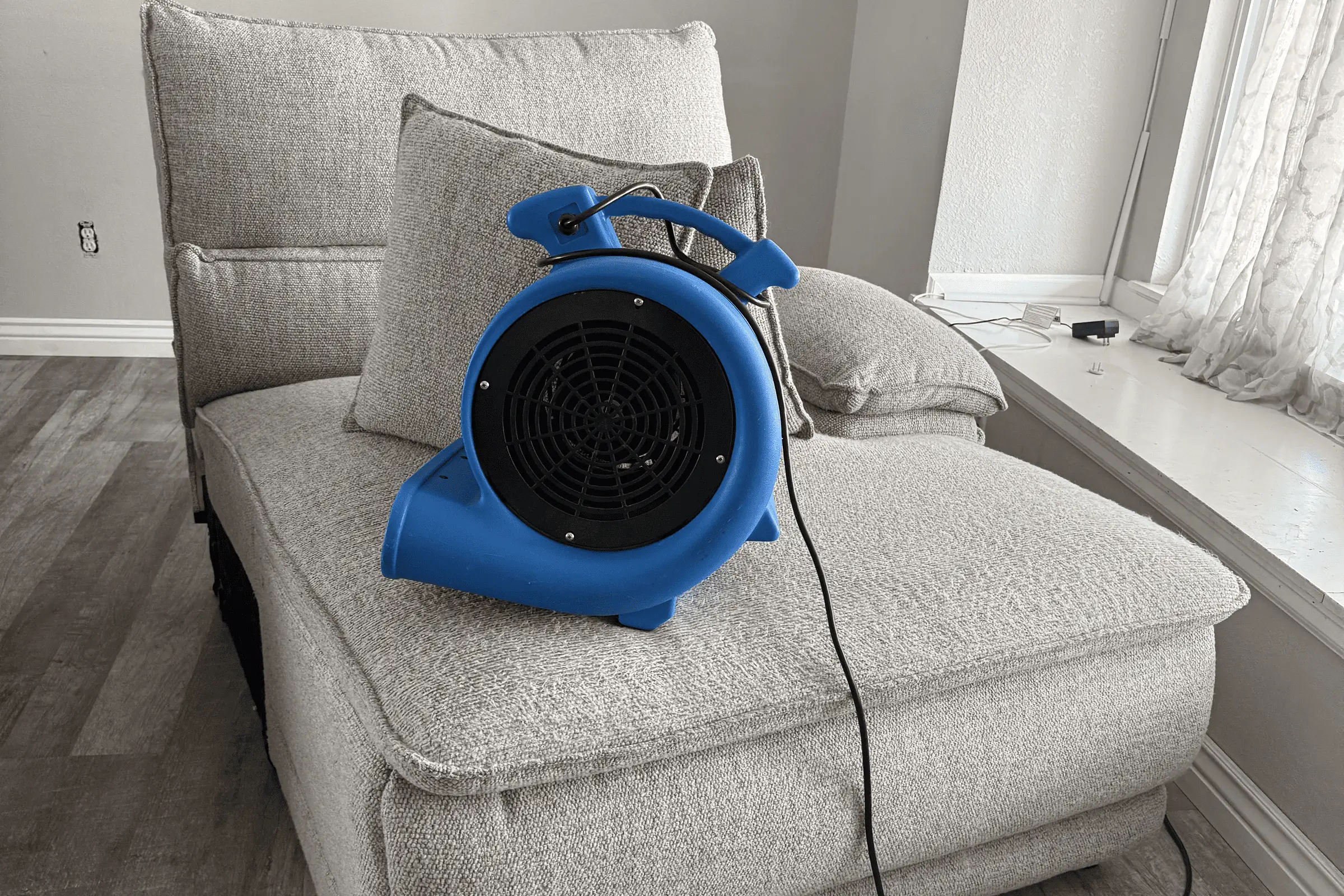
  • Strong airflow (fans or HVAC systems)
  • Low indoor humidity
  • Even drying across all cushions

Our upholstery cleaning services in Dallas, TX always include controlled drying techniques. We make sure your furniture dries evenly and safely.

We recommend avoiding heavy use of furniture right after cleaning. Sitting on a damp couch pushes moisture deeper into the padding.

Tips for Protecting Upholstery in Humid Homes

Living in a humid climate doesn’t mean you have to accept worn-out furniture. A few simple habits can make a big difference.

Everyday Protection Tips

  • Use a dehumidifier in high-moisture areas
  • Keep air circulating with fans or AC
  • Vacuum regularly to prevent dirt buildup
  • Rotate cushions to ensure even wear
  • Avoid placing furniture against damp walls

When to Schedule Professional Help

If you notice:

  • Persistent odors
  • Sticky or damp-feeling fabric
  • Visible stains or discoloration

It’s time to call a couch cleaning company near me you can trust.

At Texas Steamers – Couch Cleaning, we provide upholstery cleaning Dallas TX homeowners rely on for real results. Whether it’s sofa cleaning services, settee cleaning, or couch stain removal, we handle each piece with care.

Regular professional upholstery cleaning helps remove hidden moisture, bacteria, and buildup that daily cleaning can’t reach.

Why Professional Upholstery Cleaning Makes a Difference

Many homeowners try DIY methods first—and that’s completely understandable. But humidity changes the game.

Professional equipment allows us to:

  • Deep clean fabric layers (not just the surface)
  • Extract moisture effectively
  • Perform fabric sanitizing to eliminate bacteria
  • Protect delicate materials

This is what separates best upholstery cleaning from quick at-home fixes.

If you’ve been searching for “professional sofa cleaning near me” or “best couch cleaning,” it usually means the problem has gone beyond surface-level care.

Conclusion

Humidity may seem harmless, but it quietly affects your furniture every day—from weakening fabric and trapping odors to creating the perfect conditions for mold. Proper upholstery cleaning, especially with controlled drying, plays a key role in keeping your furniture fresh, safe, and long-lasting.

The truth is, upholstery cleaning is a detailed and labor-intensive process. It requires the right equipment, experience, and understanding of different fabrics to do it correctly and safely.

At Texas Steamers – Couch Cleaning, we’re here to help you protect your home and enjoy clean, comfortable furniture year-round. If your couch or sofa needs attention, don’t wait—reach out and let our team take care of it with professional care you can trust.

Why Entryway Furniture Gets Dirty Faster Than Living Room Furniture in Charlotte, NC

Have you ever cleaned your living room sofa… only to notice your entryway bench already looks worn again? 😅 You’re not imagining it. Entryway furniture goes through a completely different kind of daily stress — and as technicians providing upholstery cleaning in Charlotte, NC, we see this all the time.

Let’s walk through why this happens and how you can keep your entryway looking fresh without constant frustration.

Why Entryway Upholstery Faces More Dirt Than You Expect

When you step into your home, your entryway becomes the first “drop zone” for everything from outside. Shoes, bags, jackets — they all bring in dirt, dust, and moisture.

Unlike living room furniture, entry seating doesn’t get a break. It’s used quickly, often without much thought. We regularly notice during upholstery cleaning services that entry benches collect:

  • Fine dirt from shoe soles
  • Oils and residues from bags and hands
  • Outdoor particles like pollen and debris
  • Moisture from rain or humidity

Our technicians often explain it like this: your entryway furniture works like a filter. It catches everything before it spreads further into your home.

Shoes, Bags, and Outdoor Dirt: The Main Culprits

How Everyday Habits Affect Upholstery Cleaning Needs

Let’s be honest — most people don’t sit carefully in the entryway. You drop your bag, sit quickly to remove shoes, maybe place groceries or backpacks right on the fabric.

This constant contact leads to:

  • Ground-in dirt (tiny particles pressed deep into fabric)
  • Stains from accidental spills or damp clothing
  • Faster wear compared to living room furniture

During professional upholstery cleaning, we often find that entryway pieces have deeper contamination than sofas that are used more gently.

Why This Matters for Upholstery Fabric Cleaning Services

When dirt is repeatedly pressed into fabric, it becomes harder to remove over time. That’s why upholstery fabric cleaning services for entry furniture often require more intensive methods than standard cleaning.

Exposure to Dust and Moisture from Outside

Entryways Are High-Exposure Zones

Your front door is not just an entrance — it’s a constant connection to the outside environment.

Every time the door opens:

  • Dust flows inside
  • Humidity levels shift
  • Airborne particles settle on nearby surfaces

This is especially important in Charlotte, NC, where seasonal humidity can increase how much dirt sticks to fabric.

Why Moisture Makes Fabric Cleaning More Challenging

Moisture doesn’t just dampen fabric — it helps dirt bond to fibers. This creates:

  • Darker-looking upholstery
  • Musty odors
  • Faster buildup of grime

That’s why steam upholstery cleaning is often necessary to break down these residues effectively.

Why Entryway Benches and Chairs Need Extra Care

Small Area, High Traffic

Entry furniture may be smaller, but it handles constant traffic. In fact, per square inch, it often gets more use than a living room couch.

We often tell clients during furniture cleaning in Charlotte, NC that entryway pieces should be treated like high-traffic flooring — they need regular care.

Common Problem Areas We See

From our experience in upholstery cleaning companies, the most affected spots include:

  • Seat edges where people sit briefly
  • Armrests used for support
  • Corners where dust settles

These areas can quickly lose their original look without proper maintenance.

Best Routine Maintenance for Entryway Upholstery

Simple Habits That Make a Big Difference

You don’t need to deep clean constantly — small routines go a long way. We recommend:

  • Vacuuming entry furniture 1–2 times per week
  • Using a soft brush attachment to remove surface dust
  • Wiping down after rainy days
  • Keeping a shoe rack nearby to reduce dirt transfer

These steps help reduce the need for frequent upholstery cleaning in Charlotte.

When to Consider Outdoor Furniture Cleaning

If your entryway includes pieces exposed to outdoor air (like covered porch seating), it may fall under outdoor furniture cleaning in Charlotte, NC or even patio furniture cleaning service.

These items need different care because they deal with:

  • Direct moisture exposure
  • Heavier dirt accumulation
  • Weather-related wear

Our technicians treat these surfaces differently during outdoor furniture cleaning, using methods designed for durability.

When Deep Upholstery Cleaning Becomes Necessary

Signs You Shouldn’t Ignore

Even with regular care, there comes a point when basic maintenance isn’t enough. We recommend scheduling professional furniture cleaning near me when you notice:

  • Visible darkening of fabric
  • Persistent odors
  • Stains that don’t lift with light cleaning
  • Fabric feeling rough or sticky

These are signs that dirt has moved below the surface.

What Happens During Professional Upholstery Cleaning

During upholstery cleaning services, we use specialized equipment to:

  • Extract deeply embedded dirt
  • Remove bacteria and allergens
  • Restore fabric softness and color

This process, often called shampooing upholstery or deep extraction, goes far beyond what home cleaning can achieve.

Why Entryway Furniture Should Be Cleaned More Often

A Different Cleaning Schedule

Living room sofas might need cleaning once or twice a year. Entryway furniture? Usually more often.

We recommend:

  • Light maintenance weekly
  • Professional cleaning every 3–6 months depending on use

This keeps your space looking fresh and prevents long-term damage.

Protecting Your Home Starts at the Door

Clean entryway furniture doesn’t just look better — it helps stop dirt from spreading deeper into your home. Think of it as your first line of defense.

Conclusion: A Small Area That Needs Professional Attention

Entryway furniture works harder than most people realize. It handles dirt, moisture, and constant use every single day. Over time, this leads to deeper contamination that simple cleaning just can’t fix.

That’s why upholstery cleaning is not just about appearance — it’s a detailed, labor-intensive process that requires proper equipment, techniques, and experience. From removing embedded dirt to restoring fabric safely, every step matters.

At Charlotte Steamers – Couch Cleaning, we take care of your furniture like it’s our own. If your entryway seating is starting to look tired, now is the perfect time to refresh it.

Visit https://upholsterysteamers.com/charlotte/blog/ and book your professional cleaning today. Let’s bring that clean, welcoming feeling back to your home ✨